A study to determine impact of life style, body mass index and dietary habits on blood pressure among nursing students at selected nursing college , vijayapur
A study to evaluate the influence of body mass index, life styles and dietary habits on blood pressure among the nursing students at selected nursing college of Vijayapur. The objective of the study is to assess relationship of life style factors, body mass index and dietary habits with blood pressure. A sample of 500 nursing students was included in the study. The study result showed there is significant association between body mass index, life style dietary habits and blood pressure
 Shwetha hitnal
Security issues in cloud computing and its countermeasures
Cloud computing is a technology of delivering resources such as hardware, software (virtual too) and bandwidth over the network to the consumers worldwide. All the services are requested and accessed through a web browser or web service. The main advantage that cloud is provided to the nation worldwide is that it is not so easily affordable to one and all. Multi-conglomerate companies invest a lot of money on the cloud and let people access it for a smaller cost and even free at the lowest level of the consumer chain. In this paper we address to the problems that the cloud technology faces and how it can be overcome.
 Pavan m
Investigating students’ attitudes toward poverty and impoverished persons - a case study: ho chi minh city open university, data of vietnam
Efforts to understand the causes of poverty, how poverty is perceived have become important in the fight to mitigate poverty. In Vietnam, studies on the attitudes of poverty in specific populations, such as Vietnamese students, are rare. Thus, this dataset reports the results collected from 180 social work students and non-social work students of Ho Chi Minh City Open University through attitudes toward poverty and poor people in Vietnam. The Attitude toward Poverty Short Form 21-item scale, developed by Yun & Weaver, was used for the data collection. The survey results showed that when looking for causes of poverty, social work students and non-social work students put the most emphasis on structural factors of poverty. However, social work students, compared with non-social work students, consider personal deficiency and stigma more important. In future, this dataset can serve as a reference source for comparative studies on student’ attitudes toward poverty and impoverished persons and for social work education.
 Le minh tien
Ethnopharmacology - the science behind herbal medicine discovery from ancient wisdom
Drug discovery started when a man suffered from abdominal pain and accidentally healed by chewing the leaves of the plant. The story of Ethnopharmacology begins with the doctrine of signatures, the shape signatures of herbs to heal resembled parts of the body. Later, shape signatures were modified into colour and taste signatures for healing. The information exchange and understanding about people's use of natural resources to discover therapeutic and toxicological potential is now shaped into a branch of science, "Ethnopharmacology". Simply Ethnopharmacology, by using modern science, enables traditional knowledge to convert into medicine and acts as a powerful and creative drug discovery engine.
 Dr. salman ahmed
Laparoscopic cholecystectomy in situs inversus totalis, challenges from the surgeon’s perspective: a case report
Situs inversus totalis (SIT) is a rare birth defect marked by a complete reversal of the positions of abdominal and thoracic organs, resembling a mirrored image. This condition can raise challenges both in diagnosis and treatment procedures. Management of cholelithiasis in SIT patients presents difficulties due to the anatomical differences. We present a case involving a 47-year-old male patient who experienced intermittent left upper abdominal pain over the course of 4 months; the pain had worsened in the last 2 months. The pain was felt radiating to the waist and left back and was accompanied by nausea and vomiting. After clinical assessment and radiological investigations, such as thoracic X-ray and abdominal ultrasound, the patient was suspected of having cholelithiasis and SIT. The patient underwent an elective laparoscopic cholecystectomy without complications and experienced an uneventful recovery. Several intraoperative adjustments were implemented to address the technical challenges arising from the underlying anatomical variation.
 Karishma
Public knowledge, attitudes and practices related to eye diseases in southern indian population
Background: This study was conducted to determine the level of the public knowledge, attitudes and practices related to common eye diseases in the southern Indian population. Methods: A cross sectional population-based survey used a semi structured questionnaire on awareness, knowledge, attitude and practices related to eye diseases. Stratified multistage cluster random sampling method was used with a sample size of 867 adults >16 years based on, estimated awareness of cataract 70%, assuming an expected rate of 85%, design effect of 1.5, margin of error 4% with 95% confidence interval with 25% from urban areas and 75% from rural areas. A pilot study was conducted to validate the questions used in the main study. SPSS (version 19) used for analysis. Results: A total of 782/867 (90.1%) subjects participated in the survey, with females 47.4%. Awareness of major eye diseases for cataract 81.5%, glaucoma 47.8%, refractive error 74.3%, squint 89.0%, diabetic retinopathy 65.0% and age-related macular degeneration 36.7% respectively. 41.8% subjects reported wearing glasses either for distance, near or for both. Of the 777 subjects only 294 people underwent an eye examination by an ophthalmologist in the last two years (37.8%). 57.5% subjects had knowledge of the nearest eye care facility within five kilometers of their residence. Electronic media were the major source of information on eye health. Conclusions: Though the awareness levels of common eye diseases were quite high, the knowledge of cataract (10.4%) was poor. There is a need to increase the level of awareness for eye diseases like glaucoma and age-related macular degeneration.
 Srinivasa reddy pallerla
The theories of corporate governance and suggested solutions to its legislation completion in vietnam
Currently, there are three popular theories of corporate governance widely applied in the field of jurisprudence worldwide. They are Agency Theory, Stewardship Theory, and Stakeholder Theory. Based on these theories, the article focuses on clarifying legal issues about corporate governance, thereby suggesting solutions to the improvement of corporate governance legislation in Vietnam at present time
De la rhétorique du politiquement correct dans le discours présidentiel algerien: éléments d’analyse discursive
Le discours du nouveau Président algérien, Monsieur Abdelmadjid Tebboune, se caractérise par une rhétorique différente de celle de ses prédécesseurs. Notre entreprise, dans le présent article, vise à rendre compte de cette spécificité discursive en interrogeant trois expressions ponctuant souvent son discours. Notre analyse se propose d’examiner des segments de discours collationnés à partir des différents entretiens périodiques accordés aux médias nationaux et internationaux ainsi que des allocutions du président lors des travaux réunissant le gouvernement et les walis. En guise de conclusion, nous déterminerons les motivations du choix de ces formules dans le discours présidentiel.
Management of solid healthcare wastes in some government healthcare facilities in enugu state, southeast nigeria: a cross-sectional study
Background: The significance of healthcare wastes (HCWs) consists in their hazardous component, which constitutes real danger to public health. In Nigeria, healthcare waste management (HCWM) has remained a problem yet to be properly recognized and so addressed. The study aimed to sensitise health workers and the public on the need for proper management of HCWs, considering the public health implications of not doing so. Methods: The waste management systems of ten healthcare facilities (HCFs) were assessed, using a modification of the WHO rapid assessment tool. In each HCF, segregated wastes were collected daily for ten days and quantified by weighing, using a spring balance. Results: Administratively, the HCWM system was poor in the ten HCFs (40.6%). 70% of them had satisfactory waste segregation, 81%, good waste treatment, and 26.7% adequate transportation methods for waste. None of the HCFs had budget allocation for HCWM, and 90% had inadequate storage facilities. Mean waste generation was 1.81 kg/day, 0.23 kg/patient/day, 0.16 kg/bed/day, and proportion of infectious wastes 16.8%. Correlation between the number of patients and proportion of infectious waste, was positive, strong and significant (r=0.80, p=0.01), and between bed occupancy rate and proportion of infectious waste, was positive too, but weak, and insignificant (r=0.34, p=0.34). Conclusions: In view of the identified weaknesses of the ten HCFs in HCWM, budget allocations for HCWM, improving waste storage facilities and transportation, with strengthening of waste segregation, collection, and treatment, would help to ensure adequate HCWM in the HCFs.
Carbon footprint is an indicator of sustainability in rice-wheat cropping system: a review
Intensively cultivated rice-wheat cropping system of the Indo Gangetic plain (IGP) is a potential source of greenhouse gas (GHG) emissions.Agriculture sector emits GHGs like methane (CH4) and nitrous oxide (N2O). The total amount of GHGs emitted by a product is known as its carbon footprint (CFP).Quantification of CFP of crops will help in identifying management practices to reduce CFP of crop production. Studies related to assessing of CFP of agricultural products are lacking. The present review paper was aimed to discuss about the studies done on GHG emission from rice-wheat cropping system of the Indo Gangetic plains. The paper elaborates on what is CFP, how to calculate CFP of rice-wheat cropping system with the help of different case studies. The paper provides insights about certain agricultural management practices which can help in reducing CFP of rice-wheat cropping system. Discussion from this paper signifies the importance of carbon footprint assessment in maintaining the sustainability of rice wheat cropping system.
Impact of covid-19 pandemic on stroke rate, risk factors, clinical presentation, and outcome, in hadramout, republic of yemen
Background and Objective: The COVID-19 pandemic affected medical care systems including stroke care, globally. In this study, we investigated the impact of the COVID-19 outbreak on stroke care in Hadramout, in terms of rate of admission, access to care, risk factors, clinical presentation, and outcome. Materials and Methods: A hospital-based cross-sectional study comparing all stroke patients admitted to Ibn-seena University Hospital (ISTH), Mukalla, Hadramout, during two periods, May 1–October 31, 2020, during the pandemic of COVID-19 (COVID-19 group), and from May 1 to October 31, 2019 (pre-COVID-19 group). Data collected from patients’ medical record files into a master sheet, and were processed by the Statistical Package for Social Sciences software. Results: There were 117 stroke patients admitted in COVID-19 pandemic in 2020, and 213 patients admitted in the same period in 2019. Stroke admission declined by 45.1% (Odds Ratio [OR]=0.30, 95% confidence interval [CI] [95% CI]: 0.22–0.42, p<0.0001) with no age and sex differences. Hypertension (HTN) and diabetes mellitus were more frequent in COVID-19 group than the pre-COVID-19 group (OR=1.74, 95% CI: 1.08–2.80, p=0.02) and (OR=1.81, 95% CI: 1.14–2, 88, p=0.01), respectively. No significant difference in other risk factors was found. Patients in COVID-19 group arrived the hospital more late than the patients in pre-COVID-19 group (OR=2.63, 95% CI: 1.64–4.21, p<0.0001). Dysphasia and altered consciousness including coma were more common in COVID-19 group compared with pre-COVID-19 group (OR=4.5, 95% CI: 2.18–9.08, p<0.0001) and (OR=3.2, 95% CI: 2.00–5.12, p<0.0001), respectively. Hospital stay was greatly reduced among COVID-19 group as compared with pre-COVID-19 group (02.9±0.31 days vs. 8.6±0.92 days, p<0.0001) Mortality rate was higher among COVID-19 group than the pre-COVID-19 group (41.9% vs. 27.2%, p=007). Conclusion: The number of stroke patients admitted during the COVID-19 pandemic decreased, they arrived late and spent shorter hospital stays while having higher rates of HTN, diabetes, and impaired consciousness with a high mortality rate.
Assessing nutritional needs of oncology patients undergoing chemotherapy at bhagwan mahaveer cancer hospital & research centre, jaipur: development of an educational booklet
Background: Cancer is the word used for a tumor that spreads & destroys the host and is one of the leading causes of morbidity and mortality in developed and developing countries. Good nutrition is important for good health. Methods: Non-experimental descriptive research design was adopted for a study to assess knowledge on meeting nutritional needs among 100 oncology patients receiving chemotherapy at Bhagwan Mahaveer Cancer Hospital & Research Centre, Jaipur. Sample selection using a non-probability convenient sampling technique. Data were collected through a self-developed structured knowledge questionnaire. Results: Our results revealed that the majority of cancer patients, 43%, were in the age group of 31-40 years, 39% had no formal education, 32% had secondary education, and 17% had primary education. 76% were males, 24% were female, and 87% of participants did not have a family history of cancer. 55.23% of patients reported that nurses did counselling. The majority (67%) of respondents reported that they had previous information on meeting nutritional needs through diet counselling, and 33% reported they didn’t have any information about meeting nutritional needs. Most (45%) of cancer patients had poor knowledge, 26% had average knowledge, and 29% had good knowledge scoring. Conclusion:Conclusion:Conclusion:Conclusion:Conclusion:Conclusion:Conclusion:Conclusion:Conclusion:Conclusion:Conclusion: We concluded that results show most (45%) of oncology patients receiving chemotherapy had poor knowledge We concluded that results show most (45%) of oncology patients receiving chemotherapy had poor knowledge We concluded that results show most (45%) of oncology patients receiving chemotherapy had poor knowledge We concluded that results show most (45%) of oncology patients receiving chemotherapy had poor knowledge We concluded that results show most (45%) of oncology patients receiving chemotherapy had poor knowledge We concluded that results show most (45%) of oncology patients receiving chemotherapy had poor knowledge We concluded that results show most (45%) of oncology patients receiving chemotherapy had poor knowledge We concluded that results show most (45%) of oncology patients receiving chemotherapy had poor knowledge We concluded that results show most (45%) of oncology patients receiving chemotherapy had poor knowledge We concluded that results show most (45%) of oncology patients receiving chemotherapy had poor knowledge We concluded that results show most (45%) of oncology patients receiving chemotherapy had poor knowledge We concluded that results show most (45%) of oncology patients receiving chemotherapy had poor knowledge We concluded that results show most (45%) of oncology patients receiving chemotherapy had poor knowledge We concluded that results show most (45%) of oncology patients receiving chemotherapy had poor knowledge We concluded that results show most (45%) of oncology patients receiving chemotherapy had poor knowledge We concluded that results show most (45%) of oncology patients receiving chemotherapy had poor knowledge We concluded that results show most (45%) of oncology patients receiving chemotherapy had poor knowledge We concluded that results show most (45%) of oncology patients receiving chemotherapy had poor knowledge We concluded that results show most (45%) of oncology patients receiving chemotherapy had poor knowledge We concluded that results show most (45%) of oncology patients receiving chemotherapy had poor knowledge We concluded that results show most (45%) of oncology patients receiving chemotherapy had poor knowledge We concluded that results show most (45%) of oncology patients receiving chemotherapy had poor knowledge We concluded that results show most (45%) of oncology patients receiving chemotherapy had poor knowledge We concluded that results show most (45%) of oncology patients receiving chemotherapy had poor knowledge We concluded that results show most (45%) of oncology patients receiving chemotherapy had poor knowledge We concluded that results show most (45%) of oncology patients receiving chemotherapy had poor knowledge We concluded that results show most (45%) of oncology patients receiving chemotherapy had poor knowledge We concluded that results show most (45%) of oncology patients receiving chemotherapy had poor knowledge We concluded that results show most (45%) of oncology patients receiving chemotherapy had poor knowledge We concluded that results show most (45%) of oncology patients receiving chemotherapy had poor knowledge We concluded that results show most (45%) of oncology patients receiving chemotherapy had poor knowledge We concluded that results show most (45%) of oncology patients receiving chemotherapy had poor knowledge We concluded that results show most (45%) of oncology patients receiving chemotherapy had poor knowledge We concluded that results show most (45%) of oncology patients receiving chemotherapy had poor knowledge We concluded that results show most (45%) of oncology patients receiving chemotherapy had poor knowledge We concluded that results show most (45%) of oncology patients receiving chemotherapy had poor knowledge We concluded that results show most (45%) of oncology patients receiving chemotherapy had poor knowledge We concluded that results show most (45%) of oncology patients receiving chemotherapy had poor knowledge We concluded that results show most (45%) of oncology patients receiving chemotherapy had poor knowledge We concluded that results show most (45%) of oncology patients receiving chemotherapy had poor knowledge We concluded that results show most (45%) of oncology patients receiving chemotherapy had poor knowledge We concluded that results show most (45%) of oncology patients receiving chemotherapy had poor knowledge We concluded that results show most (45%) of oncology patients receiving chemotherapy had poor knowledge We concluded that results show most (45%) of oncology patients receiving chemotherapy had poor knowledge We concluded that results show most (45%) of oncology patients receiving chemotherapy had poor knowledge We concluded that results show most (45%) of oncology patients receiving chemotherapy had poor knowledge We concluded that results show most (45%) of oncology patients receiving chemotherapy had poor knowledge We concluded that results show most (45%) of oncology patients receiving chemotherapy had poor knowledge We concluded that results show most (45%) of oncology patients receiving chemotherapy had poor knowledge We concluded that results show most (45%) of oncology patients receiving chemotherapy had poor knowledge We concluded that results show most (45%) of oncology patients receiving chemotherapy had poor knowledge We concluded that results show most (45%) of oncology patients receiving chemotherapy had poor knowledge We concluded that results show most (45%) of oncology patients receiving chemotherapy had poor knowledge We concluded that results show most (45%) of oncology patients receiving chemotherapy had poor knowledge We concluded that results show most (45%) of oncology patients receiving chemotherapy had poor knowledge We concluded that results show most (45%) of oncology patients receiving chemotherapy had poor knowledge We concluded that results show most (45%) of oncology patients receiving chemotherapy had poor knowledge We concluded that results show most (45%) of oncology patients receiving chemotherapy had poor knowledge We concluded that results show most (45%) of oncology patients receiving chemotherapy had poor knowledge We concluded that results show most (45%) of oncology patients receiving chemotherapy had poor knowledge We concluded that results show most (45%) of oncology patients receiving chemotherapy had poor knowledge We concluded that results show most (45%) of oncology patients receiving chemotherapy had poor knowledge We concluded that results show most (45%) of oncology patients receiving chemotherapy had poor knowledge We concluded that results show most (45%) of oncology patients receiving chemotherapy had poor knowledge We concluded that results show most (45%) of oncology patients receiving chemotherapy had poor knowledge We concluded that results show most (45%) of oncology patients receiving chemotherapy had poor knowledge We concluded that results show most (45%) of oncology patients receiving chemotherapy had poor knowledge We concluded that results show most (45%) of oncology patients receiving chemotherapy had poor knowledge We concluded that results show most (45%) of oncology patients receiving chemotherapy had poor knowledge We concluded that results show most (45%) of oncology patients receiving chemotherapy had poor knowledge We concluded that results show most (45%) of oncology patients receiving chemotherapy had poor knowledge We concluded that results show most (45%) of oncology patients receiving chemotherapy had poor knowledge We concluded that results show most (45%) of oncology patients receiving chemotherapy had poor knowledge We concluded that results show most (45%) of oncology patients receiving chemotherapy had poor knowledge We concluded that results show most (45%) of oncology patients receiving chemotherapy had poor knowledge We concluded that results show most (45%) of oncology patients receiving chemotherapy had poor knowledge We concluded that results show most (45%) of oncology patients receiving chemotherapy had poor knowledge We concluded that results show most (45%) of oncology patients receiving chemotherapy had poor knowledge We concluded that results show most (45%) of oncology patients receiving chemotherapy had poor knowledge We concluded that results show most (45%) of oncology patients receiving chemotherapy had poor knowledge We concluded that results show most (45%) of oncology patients receiving chemotherapy had poor knowledge We concluded that results show most (45%) of oncology patients receiving chemotherapy had poor knowledge We concluded that results show most (45%) of oncology patients receiving chemotherapy had poor knowledge We concluded that results show most (45%) of oncology patients receiving chemotherapy had poor knowledge We concluded that results show most (45%) of oncology patients receiving chemotherapy had poor knowledge meeting nutritionmeeting nutrition meeting nutrition meeting nutrition meeting nutritionmeeting nutrition meeting nutrition meeting nutritionmeeting nutritionmeeting nutritionmeeting nutritionmeeting nutritional needs during chemotherapy. However, the researcher developed an information booklet, and he hopes that al needs during chemotherapy. However, the researcher developed an information booklet, and he hopes that al needs during chemotherapy. However, the researcher developed an information booklet, and he hopes that al needs during chemotherapy. However, the researcher developed an information booklet, and he hopes that al needs during chemotherapy. However, the researcher developed an information booklet, and he hopes that al needs during chemotherapy. However, the researcher developed an information booklet, and he hopes that al needs during chemotherapy. However, the researcher developed an information booklet, and he hopes that al needs during chemotherapy. However, the researcher developed an information booklet, and he hopes that al needs during chemotherapy. However, the researcher developed an information booklet, and he hopes that al needs during chemotherapy. However, the researcher developed an information booklet, and he hopes that al needs during chemotherapy. However, the researcher developed an information booklet, and he hopes that al needs during chemotherapy. However, the researcher developed an information booklet, and he hopes that al needs during chemotherapy. However, the researcher developed an information booklet, and he hopes that al needs during chemotherapy. However, the researcher developed an information booklet, and he hopes that al needs during chemotherapy. However, the researcher developed an information booklet, and he hopes that al needs during chemotherapy. However, the researcher developed an information booklet, and he hopes that al needs during chemotherapy. However, the researcher developed an information booklet, and he hopes that al needs during chemotherapy. However, the researcher developed an information booklet, and he hopes that al needs during chemotherapy. However, the researcher developed an information booklet, and he hopes that al needs during chemotherapy. However, the researcher developed an information booklet, and he hopes that al needs during chemotherapy. However, the researcher developed an information booklet, and he hopes that al needs during chemotherapy. However, the researcher developed an information booklet, and he hopes that al needs during chemotherapy. However, the researcher developed an information booklet, and he hopes that al needs during chemotherapy. However, the researcher developed an information booklet, and he hopes that al needs during chemotherapy. However, the researcher developed an information booklet, and he hopes that al needs during chemotherapy. However, the researcher developed an information booklet, and he hopes that al needs during chemotherapy. However, the researcher developed an information booklet, and he hopes that al needs during chemotherapy. However, the researcher developed an information booklet, and he hopes that al needs during chemotherapy. However, the researcher developed an information booklet, and he hopes that al needs during chemotherapy. However, the researcher developed an information booklet, and he hopes that al needs during chemotherapy. However, the researcher developed an information booklet, and he hopes that al needs during chemotherapy. However, the researcher developed an information booklet, and he hopes that al needs during chemotherapy. However, the researcher developed an information booklet, and he hopes that al needs during chemotherapy. However, the researcher developed an information booklet, and he hopes that al needs during chemotherapy. However, the researcher developed an information booklet, and he hopes that al needs during chemotherapy. However, the researcher developed an information booklet, and he hopes that al needs during chemotherapy. However, the researcher developed an information booklet, and he hopes that al needs during chemotherapy. However, the researcher developed an information booklet, and he hopes that al needs during chemotherapy. However, the researcher developed an information booklet, and he hopes that al needs during chemotherapy. However, the researcher developed an information booklet, and he hopes that al needs during chemotherapy. However, the researcher developed an information booklet, and he hopes that al needs during chemotherapy. However, the researcher developed an information booklet, and he hopes that al needs during chemotherapy. However, the researcher developed an information booklet, and he hopes that al needs during chemotherapy. However, the researcher developed an information booklet, and he hopes that al needs during chemotherapy. However, the researcher developed an information booklet, and he hopes that al needs during chemotherapy. However, the researcher developed an information booklet, and he hopes that al needs during chemotherapy. However, the researcher developed an information booklet, and he hopes that al needs during chemotherapy. However, the researcher developed an information booklet, and he hopes that al needs during chemotherapy. However, the researcher developed an information booklet, and he hopes that al needs during chemotherapy. However, the researcher developed an information booklet, and he hopes that al needs during chemotherapy. However, the researcher developed an information booklet, and he hopes that al needs during chemotherapy. However, the researcher developed an information booklet, and he hopes that al needs during chemotherapy. However, the researcher developed an information booklet, and he hopes that al needs during chemotherapy. However, the researcher developed an information booklet, and he hopes that al needs during chemotherapy. However, the researcher developed an information booklet, and he hopes that al needs during chemotherapy. However, the researcher developed an information booklet, and he hopes that al needs during chemotherapy. However, the researcher developed an information booklet, and he hopes that al needs during chemotherapy. However, the researcher developed an information booklet, and he hopes that al needs during chemotherapy. However, the researcher developed an information booklet, and he hopes that al needs during chemotherapy. However, the researcher developed an information booklet, and he hopes that al needs during chemotherapy. However, the researcher developed an information booklet, and he hopes that al needs during chemotherapy. However, the researcher developed an information booklet, and he hopes that al needs during chemotherapy. However, the researcher developed an information booklet, and he hopes that al needs during chemotherapy. However, the researcher developed an information booklet, and he hopes that al needs during chemotherapy. However, the researcher developed an information booklet, and he hopes that al needs during chemotherapy. However, the researcher developed an information booklet, and he hopes that al needs during chemotherapy. However, the researcher developed an information booklet, and he hopes that al needs during chemotherapy. However, the researcher developed an information booklet, and he hopes that al needs during chemotherapy. However, the researcher developed an information booklet, and he hopes that al needs during chemotherapy. However, the researcher developed an information booklet, and he hopes that al needs during chemotherapy. However, the researcher developed an information booklet, and he hopes that al needs during chemotherapy. However, the researcher developed an information booklet, and he hopes that al needs during chemotherapy. However, the researcher developed an information booklet, and he hopes that al needs during chemotherapy. However, the researcher developed an information booklet, and he hopes that the booklet will surely enhance oncology patient’s knowledge of meeting nutritional needs during chemotherapy the booklet will surely enhance oncology patient’s knowledge of meeting nutritional needs during chemotherapy the booklet will surely enhance oncology patient’s knowledge of meeting nutritional needs during chemotherapy the booklet will surely enhance oncology patient’s knowledge of meeting nutritional needs during chemotherapy the booklet will surely enhance oncology patient’s knowledge of meeting nutritional needs during chemotherapy the booklet will surely enhance oncology patient’s knowledge of meeting nutritional needs during chemotherapy the booklet will surely enhance oncology patient’s knowledge of meeting nutritional needs during chemotherapy the booklet will surely enhance oncology patient’s knowledge of meeting nutritional needs during chemotherapy the booklet will surely enhance oncology patient’s knowledge of meeting nutritional needs during chemotherapy the booklet will surely enhance oncology patient’s knowledge of meeting nutritional needs during chemotherapy the booklet will surely enhance oncology patient’s knowledge of meeting nutritional needs during chemotherapy the booklet will surely enhance oncology patient’s knowledge of meeting nutritional needs during chemotherapy the booklet will surely enhance oncology patient’s knowledge of meeting nutritional needs during chemotherapy the booklet will surely enhance oncology patient’s knowledge of meeting nutritional needs during chemotherapy the booklet will surely enhance oncology patient’s knowledge of meeting nutritional needs during chemotherapy the booklet will surely enhance oncology patient’s knowledge of meeting nutritional needs during chemotherapy the booklet will surely enhance oncology patient’s knowledge of meeting nutritional needs during chemotherapy the booklet will surely enhance oncology patient’s knowledge of meeting nutritional needs during chemotherapy the booklet will surely enhance oncology patient’s knowledge of meeting nutritional needs during chemotherapy the booklet will surely enhance oncology patient’s knowledge of meeting nutritional needs during chemotherapy the booklet will surely enhance oncology patient’s knowledge of meeting nutritional needs during chemotherapy the booklet will surely enhance oncology patient’s knowledge of meeting nutritional needs during chemotherapy the booklet will surely enhance oncology patient’s knowledge of meeting nutritional needs during chemotherapy the booklet will surely enhance oncology patient’s knowledge of meeting nutritional needs during chemotherapy the booklet will surely enhance oncology patient’s knowledge of meeting nutritional needs during chemotherapy the booklet will surely enhance oncology patient’s knowledge of meeting nutritional needs during chemotherapy the booklet will surely enhance oncology patient’s knowledge of meeting nutritional needs during chemotherapy the booklet will surely enhance oncology patient’s knowledge of meeting nutritional needs during chemotherapy the booklet will surely enhance oncology patient’s knowledge of meeting nutritional needs during chemotherapy the booklet will surely enhance oncology patient’s knowledge of meeting nutritional needs during chemotherapy the booklet will surely enhance oncology patient’s knowledge of meeting nutritional needs during chemotherapy the booklet will surely enhance oncology patient’s knowledge of meeting nutritional needs during chemotherapy the booklet will surely enhance oncology patient’s knowledge of meeting nutritional needs during chemotherapy the booklet will surely enhance oncology patient’s knowledge of meeting nutritional needs during chemotherapy the booklet will surely enhance oncology patient’s knowledge of meeting nutritional needs during chemotherapy the booklet will surely enhance oncology patient’s knowledge of meeting nutritional needs during chemotherapy the booklet will surely enhance oncology patient’s knowledge of meeting nutritional needs during chemotherapy the booklet will surely enhance oncology patient’s knowledge of meeting nutritional needs during chemotherapy the booklet will surely enhance oncology patient’s knowledge of meeting nutritional needs during chemotherapy the booklet will surely enhance oncology patient’s knowledge of meeting nutritional needs during chemotherapy the booklet will surely enhance oncology patient’s knowledge of meeting nutritional needs during chemotherapy the booklet will surely enhance oncology patient’s knowledge of meeting nutritional needs during chemotherapy the booklet will surely enhance oncology patient’s knowledge of meeting nutritional needs during chemotherapy the booklet will surely enhance oncology patient’s knowledge of meeting nutritional needs during chemotherapy the booklet will surely enhance oncology patient’s knowledge of meeting nutritional needs during chemotherapy the booklet will surely enhance oncology patient’s knowledge of meeting nutritional needs during chemotherapy the booklet will surely enhance oncology patient’s knowledge of meeting nutritional needs during chemotherapy the booklet will surely enhance oncology patient’s knowledge of meeting nutritional needs during chemotherapy the booklet will surely enhance oncology patient’s knowledge of meeting nutritional needs during chemotherapy the booklet will surely enhance oncology patient’s knowledge of meeting nutritional needs during chemotherapy the booklet will surely enhance oncology patient’s knowledge of meeting nutritional needs during chemotherapy the booklet will surely enhance oncology patient’s knowledge of meeting nutritional needs during chemotherapy the booklet will surely enhance oncology patient’s knowledge of meeting nutritional needs during chemotherapy the booklet will surely enhance oncology patient’s knowledge of meeting nutritional needs during chemotherapy the booklet will surely enhance oncology patient’s knowledge of meeting nutritional needs during chemotherapy the booklet will surely enhance oncology patient’s knowledge of meeting nutritional needs during chemotherapy the booklet will surely enhance oncology patient’s knowledge of meeting nutritional needs during chemotherapy the booklet will surely enhance oncology patient’s knowledge of meeting nutritional needs during chemotherapy the booklet will surely enhance oncology patient’s knowledge of meeting nutritional needs during chemotherapy the booklet will surely enhance oncology patient’s knowledge of meeting nutritional needs during chemotherapy the booklet will surely enhance oncology patient’s knowledge of meeting nutritional needs during chemotherapy the booklet will surely enhance oncology patient’s knowledge of meeting nutritional needs during chemotherapy the booklet will surely enhance oncology patient’s knowledge of meeting nutritional needs during chemotherapy the booklet will surely enhance oncology patient’s knowledge of meeting nutritional needs during chemotherapy the booklet will surely enhance oncology patient’s knowledge of meeting nutritional needs during chemotherapy the booklet will surely enhance oncology patient’s knowledge of meeting nutritional needs during chemotherapy the booklet will surely enhance oncology patient’s knowledge of meeting nutritional needs during chemotherapy the booklet will surely enhance oncology patient’s knowledge of meeting nutritional needs during chemotherapy the booklet will surely enhance oncology patient’s knowledge of meeting nutritional needs during chemotherapy the booklet will surely enhance oncology patient’s knowledge of meeting nutritional needs during chemotherapy the booklet will surely enhance oncology patient’s knowledge of meeting nutritional needs during chemotherapy the booklet will surely enhance oncology patient’s knowledge of meeting nutritional needs during chemotherapy the booklet will surely enhance oncology patient’s knowledge of meeting nutritional needs during chemotherapy the booklet will surely enhance oncology patient’s knowledge of meeting nutritional needs during chemotherapy the booklet will surely enhance oncology patient’s knowledge of meeting nutritional needs during chemotherapy the booklet will surely enhance oncology patient’s knowledge of meeting nutritional needs during chemotherapy the booklet will surely enhance oncology patient’s knowledge of meeting nutritional needs during chemotherapy the booklet will surely enhance oncology patient’s knowledge of meeting nutritional needs during chemotherapy the booklet will surely enhance oncology patient’s knowledge of meeting nutritional needs during chemotherapy the booklet will surely enhance oncology patient’s knowledge of meeting nutritional needs during chemotherapy the booklet will surely enhance oncology patient’s knowledge of meeting nutritional needs during chemotherapy .
 Dr k c yadav
. biological control of rhizobacteria against rice diseases caused by rhizoctonia solani (sheath blight) and sarocladium oryzae (sheath rot),
Sheath blight and Sheath rot of rice caused by Rhizoctonia solani and Sarocladium oryzae is an economically important disease causing rigorous yield losses. Biological control of the disease using plant growth promoting rhizobacteria (PGPR) is a potential substitute to the presently available chemical control methods. The present investigation was aimed to study the plant growth promoting (PGP) activity and antagonistic activity of two rhizobacteria Pseudomonas fluorescence and Rhizobium sp., isolated from rhizosphere area of rice, against two major rice pathogens. In the present work IAA (Indole acetic acid production) was found maximum amount in Pseudomonas fluorescence (30 mg / ml) and trace amount in Rhizobium sp. Maximum amount of Siderophore production was noticed in both isolates. Pseudomonas fluorescence showed positive result for the HCN production but Rhizobium sp., was found to be negative and both bacterial isolates solubilized phosphate in very effective manner. Both rhizobacteria were found to produce ammonia and catalase. The cross streak studies revealed that the complete inhibition of mycelia growth of Rhizotonia solani (85%) and partial inhibition of Sarocladium oryzae (45%) against two rhizobacteria. Antifungal compound extracted from both rhizobacteria were found to exhibit maximum antagonism against rice pathogens. This result concluded that both PGPR’s can be used as best bio-control agent against rice pathogens instead of hazards chemicals.
 Dr. saranya devi k
Impact of frontline demonstrations on chickpea (cicer arietinum) production, productivity and profitability in transitional plain of inland drainage zone of rajasthan
Pulses are well known richest source of vegetable protein and poor man’s food because of its essential component of diet. The frontline demonstrations of chickpea crop was carried out by Krishi Vigyan Kendra, Nagaur-I, Agriculture University, Jodhpur during rabi seasons from 2011-12 to 2019-20 on 178.5 ha area with 382 demonstrations in different clusters of Nagaur district of Rajasthan. The results shows that demonstrations produced on an average 18.02 q/ha grain yield of chickpea, which was 24.18 per cent higher as compared to prevailing farmers practice (14.51 q/ha). The front line demonstrations fetched more average gross returns (Rs.60161/ha), net return (Rs. 37963/ha) and B:C ratio (2.76) with slightly higher investment on cost of cultivation (Rs.1663/ha) as compared to farmers practice. The increase in gross and net returns was in the tune of Rs.11960 and Rs. 10285 per hectare with incremental benefit: cost ratio of 0.33. The average extension gap, technology gap and technology index was 350kg/ha, 608 kg/ha and 25.2 per cent, respectively. It is also observed that majority of the respondent farmers expressed high (51.83%) to the medium (32.72%) level of satisfaction regarding the performance of chickpea under demonstrations
 Dr. babu lal jat
Nutrient quality evaluation of cookies produced from blends of wheat, soybean and unripe plantain flours
The potential use of composite flours for the production of bakery products to increase and improve the protein content is one of the areas of research interest nowadays. In this study, suitability of wheat, soybean and unripe plantain composite flour blends was investigated for the development of cookies. Six blends of flour recipes were prepared by mixing different proportions of wheat flour (WF), soybean flour (SF) and unripe plantain flour (PF) and 100% WF served as control to produce cookies. The flour ratios were; A= (100 % wheat flour/control), B= (90:5:5), C= (80:15:5), D= (70:20:10), E= (60:25:15) and F= (50:30:20). The proximate composition varied from 7.48 - 14.01 %, 7.17 - 17.21 %, 1.65 – 5.22 %, 2.67 – 5.18 %, 1.55 – 5.88 % and 57.30 - 72.02 %, for moisture, protein, fat, crude fibre, ash and carbohydrate contents, respectively. The mineral contents ranged from 87.82 to 143.59 mg/100g, 44.35 to 78.15 mg/100g, 1.23-4.15 mg/100g, 1.27 to 2.18 mg/100g, 87.67 to 112.27 mg/100g and 67.98 to 157.22 mg/100g for potassium, calcium, iron, zinc and magnesium, respectively. The result of the mineral analysis revealed that the calcium and iron were the predominant mineral elements in the cookies samples and the mineral composition increased with level of plantain addition. This showed the viability of producing nutritious cookies with desirable nutritional qualities from wheat, soybean and unripe plantain.
 Okechukwu obed chukwuemeka
Evaluation and comparison of clinical efficacy of ambu auragain with i-gel, in patients undergoing laparoscopic cholecystectomy
Background and Aim: Second and third-generation supraglottic airway devices (SADs) are increasingly used in laparoscopic surgeries due to their improved oropharyngeal seal and gastric drainage. This study evaluated and compared the clinical efficacy of the Ambu AuraGain (AAU) and the i-gel in patients undergoing laparoscopic cholecystectomy. Materials and Methods: In this prospective, randomized comparative study, 80 adult patients (ASA I and II) were randomly assigned to two groups (n=40 each): Group A (Ambu AuraGain) and Group G (i-gel). The primary objective was to compare oropharyngeal leak pressure (OLP). Secondary objectives included insertion time, ease of insertion, success rate, fiberoptic view of the glottis, and postoperative complications. OLP and peak airway pressure (PAP) were measured at various intervals, including during carboperitoneum. Results: The mean OLP was significantly higher in Group A than in Group G, both after insertion (32.9 ± 3.45 vs. 26.53 ± 1.61 cm H2O; p<0.001) and after deflation of carboperitoneum (34.15 ±2.9 vs. 28.2 ±1.71 cm H2O; p<0.001). The margin of safety (OLP–PAP) was significantly higher in the AAU group at all times (p<0.001). However, the i-gel was significantly faster to insert (14.8 ±2.94 vs. 22 ± 3.74 seconds; p<0.001) and easier to place (100% easy vs. 37.5% easy; p<0.001). Fiberoptic alignment was significantly better in the i-gel group, with 70% achieving a Grade 4 view compared to 29% in the AAU group (p<0.001). Postoperative complications were low and comparable between groups. Conclusion: Ambu AuraGain provides a superior oropharyngeal seal and a higher safety margin against leaks during laparoscopic surgery compared to i-gel. Conversely, i-gel is superior in terms of ease of insertion, speed, and anatomical alignment with the glottis, making it a better conduit for fiberoptic-guided intubation. Keywords: Ambu AuraGain, i-gel, Laparoscopic cholecystectomy, Oropharyngeal leak pressure, Supraglottic Airway device.
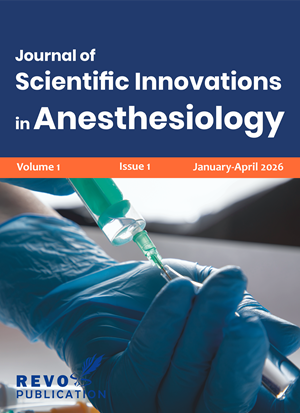 Journal of scientific innovations in anesthesiology
Systemic lupus erythematosus manifestation following covid-19 infection: a coincidental or causal relation
Several intricate interactions of environmental and genetic factors can lead to autoimmune conditions in susceptible hosts. Systemic lupus erythematosus (SLE) is a complex systemic autoimmune disease which can be triggered or exacerbated by infection or infectious reactions. The causal link between infections and autoimmunity has been established through clinical studies. Although several viral infections have been associated with SLE, yet the impact of COVID-19 on SLE onset and flares has not been well established. We report a young female who developed new-onset SLE shortly after having COVID-19 infection. Her clinical and lab parameters were highly suggestive of SLE and she responded to standard medical therapy. We also briefly discuss the pathogenetic mechanisms of autoimmunity in cases of viral infections.
Upsurge in the incidence of scabies (a neglected tropical disease) in some rural communities of southeast nigeria: any nexus with climate change?
Background: Scabies is characterized by the presence of burrows, erythematous papules, and generalized pruritus which is usually worse at night. Recently an upsurge in the incidence of scabies has been reported in many settings, including the area of the study. The study aimed to determine if there is a nexus between scabies and climate change as a risk factor. Methods: This was a case-control study carried out in a Cottage Hospital. Case files of 18, 000 patients who attended the hospital between 2016 and 2019 were reviewed. The diagnosis was mainly clinical, i.e. based on the presence of itching in the typical scabies locations, presence of scabies burrows and history of similar itching in the other members of the patient’s household. 112 cases of scabies were diagnosed within this period. Results: From 2016 to 2019, the incidence of scabies rose from 3 to 50. Prevalence among males was 59.8%, and in females 40.2%, although the difference was not significant (p=0.0.53). Compared to other age groups, prevalence was highest in the 6-17 years age group (37.5%), but the difference among the age groups was also not significant (p=0.84). Conclusions: Within four years (2016-2019), the incidence of scabies had risen from 3 to 50 in the area of the study, being higher in males (59.8%) than females (40.2%), and in children less than 18 years (37.5%). Community survey, prompt diagnosis, adequate treatment and avoidance of overcrowding might help to stem the observed rising incidence of the disease.
Phosphate type kidney stone (brushite) formation in gel: a morphological study on growth patterns to evaluate natural antiurolithiatic drugs
Brushites are the most commonly found phosphate stones in the kidneys, ureters and urinary bladder. The study was conducted to observe the possible growth patterns of brushite crystals in the gel for 14 days. The crystal formation was observed as a bullet, needle, platy, columnar shaped and their aggregates. Magono and Lee's meteorological classification further explained these shapes. Besides the morphology, the average size, number and weight of crystals were also observed on the 7th and 14th days. Energy Dispersive X-ray, Fourier Transform Infra Red spectroscopy and Scanning Electron Microscopy were used to characterize the crystals. These results can help to determine the promotion, modulation and inhibition of the crystals, which will be helpful in evaluating the risk factors and prophylactic management of brushite-type urinary stones.
Dimethyl sulfoxide in cryopreservation: an overview
Cryopreservation is a process that preserves intact living cells, tissues or any other biological constructs by cooling and storing the samples to very low temperatures in order to maintain their viability and to save them for future use. At very low temperatures, enzymatic and chemical activities that may cause harm to the biological material are effectively stopped. Cryopreservation methods look to reach very low temperatures without causing further harm caused by the creation of ice crystals during freezing. Cryopreservation human samples for storage including variety of diseases such as cancer, genetic and degenerative disorders and bio-banking. This review aims to describe and highlight dimethyl sulfoxide in cryopreservation. Dimethyl sulfoxide is a non-toxic solvent and is one of the most commonly used pharmaceutical agent with a varied range of pharmacological actions including membrane penetration, anti-inflammatory effects and local analgesia as well as weak bacteriostatic. The main use of dimethyl sulfoxide is a vehicle for some drugs to enhancing the action of the drug and helping penetration of other drugs into the skin. However, dimethyl sulfoxide has been the cryopreservative agent of choice in situation to its exceptional performance in mitigating freezing-related damages. It is frequently used in cell banking applications as a cryoprotectant. When added to media, it prevents intracellular and extracellular crystals from forming in cells during the freezing process. There has been a concern over the toxicity of dimethyl sulfoxide and its potential side effects in different highly concentration after administration to patients. Therefore, there has been growing demand for robust dimethyl sulfoxide for cryopreservation method that can improve safety and maintain potency and efficacy
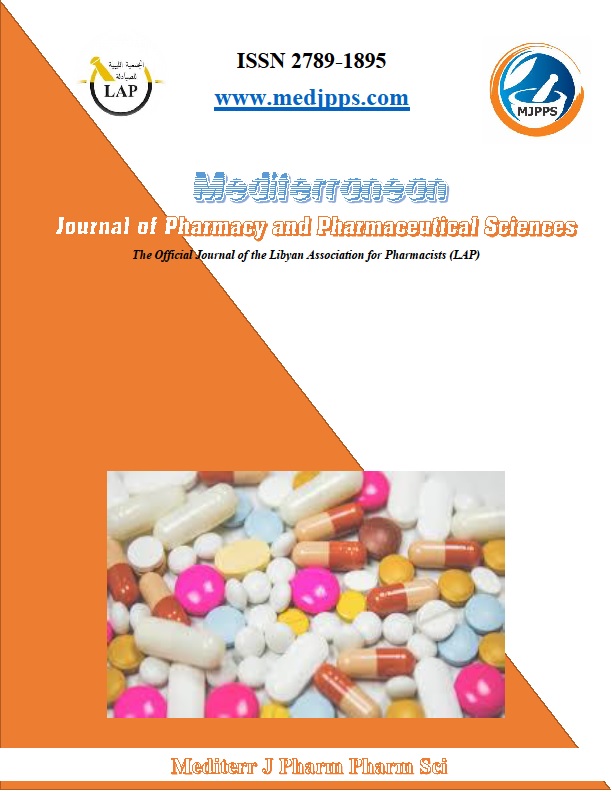 Mediterranean journal of pharmacy and pharmaceutical sciences
Most Popular Category
- Pharmacy (270)
- Education and social science (224)
- Pharmacology (223)
- Pharmacognosy (178)
- Business management (147)
- Pharmacology and toxicology (134)
- Education and training (131)
- Pharmaceutical sciences (130)
- Medicine (129)
- Research (123)
- Health Science (100)
- Biological Sciences (99)
- Management (98)
- Computer Science (94)
- Public health (91)
- Computer Science Applications (87)
- Human resource management (83)
- Engineering (80)
- Accounting and finance (73)
- Information technology (69)