Curbing food insecurity through composite blend in the production of bread from wheat, acha, uzaaku and unere flours
This study was carried out to evaluate the effects of thermal processing techniques on the nutrient and antinutrient contents of pigeon pea (Cajanus cajan) flours. The pigeon pea seeds were sorted, cleaned and divided into five equal lots of 0.5kg each. Four lots of pigeon pea seeds were processed into blanched, boiled, roasted, and autoclaved pigeon pea flours, while the fifth lot was processed raw and used as control. The raw and thermally processed samples obtained were analysed for nutrient and antinutrient composition using standard methods. The proximate composition of the samples showed that the flours had a range of 8.61 - 11.46 % moisture, 21.13 - 23.94 % crude protein, 1.26 - 1.68 % fat, 5.12 – 6.10 % crude fibre, 1.74 – 2.97 % ash, 55.56 – 60.41 % carbohydrate and 333.45 - 342.75 kJ/100g energy, respectively. The mineral composition showed that the flours contained 86.24 – 144.72 mg/100g calcium, 137.80 – 170.33 mg/100g magnesium, 125.86 - 156.76 mg/100g potassium, 66.66 – 95.62 mg/100g sodium, 4.38 – 6.64 mg/100g iron and 130.27 – 178.29 mg/100g phosphorus, respectively. The vitamin content of the flours were 3.09 - 4.33 mg/100g ascorbic acid, 0.05 - 0.17 mg/100g thiamine, 0.03 - 0.21 mg/100g riboflavin, 0.13 - 0.28 mg/100g niacin, 3.21 - 6.25 mg/100g vitamin A and 1.10 - 2.70 mg/100g vitamin E, respectively. The antinutrient composition of the flours also showed that the levels of trypsin inhibitor, tannin, phytate, oxalate, saponin and haemagglutinin ranged from, 2.30 – 5.61 Tiu/mg, 0.81 – 1.5mg/100g, 1.12 - 4.18mg/100g, 0.48-4.01 mg/100g, 1.28 – 3.66 mg/100g and 1.30 – 7.44 Hiu/g, respectively. Therefore, the study showed that thermally processed pigeon pea flours could be used as nutrient dense ingredients in the preparation of a wide range of foods for children, adolescents and aged adults especially in developing countries where the problems of protein-energy malnutrition and micronutrients deficiencies are prevalent than the raw sample.
 Okechukwu obed chukwuemeka
Risk factors for measles outbreak in al-dali governorate, yemen
Background: In addition to the recent civil war in Yemen, the COVID-19 pandemic resulted in a collapse of the health system, a decline in vaccination coverage, and the spread of numerous outbreaks. In 2022, a measles outbreak impacted Al Dali governorate. This study aimed to describe the demographics of measles patients, measles risk factors, and disease outcomes in Al Dali Governorate, Yemen. Methods: All measles-infected children who sought medical attention at Al Tadhamon Hospital in Al Dali, Yemen, between February and December 2022 were included in this prospective and observational study. Results: During the study period, 154 parents gave their consent to enroll their children in this study; 88 (57.1%) were males, and 66 (42.9%) were females. The mean age of the children was 3.56±2.90 (0.3–12 years). More than half of the mothers (n=88, [57.1%]) were illiterate or had a basic educational level, while most of the fathers (n=126, [81.8%]) were well-educated. Nutritional status was normal in most children (n=146, [94.8%]), and all children were unvaccinated. Most children (n=152, [98.7]) came from areas having measles and most of them (n=130, [84.4]) were in contact with measles cases. Health facilities were close (<3 km) to many children (n=151 [98.1]), and house ventilation was good in 66.2% (n=102) of cases while crowdedness was found in 135 (87.7) cases. Family members were 7 or more in 90 (58.4) cases. Two children under the age of 5 years died because of the disease. Conclusion: Our study showed that the main risk factor for the recent measles outbreak in Al Dali governorate was lack of vaccination, as all involved children were unvaccinated. Routine immunization needs to be reinforced through health centers in different districts and community education about the dangers of the disease and the benefits of the vaccines should be enhanced to prevent outbreaks from recurring.
 Karishma
Training and development in north eastern karnataka road transport corporation : a study
Personnel Department is the predominant component of HRD unit of North Eastern Karnataka Road Transport Corporation (NEKRTC), though HRD has been identified and designated as a separate Department. Basically the existing Personnel Department is qualified to be called HR Department OR even a better name would be Human Resources Management Department, since it would correctly reflect the comprehensive and all inclusive nature of the functions of the existing Personnel Department, which covers all features of Human Resources Management, namely Forecast of requirement of Human Resources, Planning for Recruitment, In-service care Co-ordination, Control and Regulation as also Retirement and all matters related to Personnel Administration. It should be its function to plan for training appropriately along with recruitment of personnel from all the Departments. The present Human Resource Development. Is ill-equipped and does not have the comprehension of concept and perception of HRD.
 Dr.kailaspathi vishwakarma
Outcome of covid-19 positive patients with type 2 diabetes and polypharmacy: an examination of a tertiary hospital cohort
Background: COVID-19-positive patients are at increased risk of adverse clinical outcomes, with type 2 diabetes cohorts at substantially higher risk compared to the general population. The additional role of diabetic and non-diabetic polypharmacy in these patients' clinical course has remained unexamined. In this study we have comprehensively examined the role of polypharmacy in the determination of mortality outcomes in patients with COVID-19 clinical syndrome. Methods: We retrospectively examined case notes and electronic records of N = 497 patients with type 2 diabetes and COVID-19 infection. We ascertained the number of medications each patient was taking and used this to categorize the study cohort into diabetic [n = 246] (5 or more diabetic medications), and non-diabetic polypharmacy [n = 251] (5 or more non-diabetic medications). The primary outcome was the need for intensive care admission between the two groups. Results: In patients with “non-diabetic polypharmacy” (>5 medications), advancing age, and higher HBA1c levels, were associated with increased risk of Intensive care admission (OR 1.06 [CI 1.03-1.07], P = <0001), (OR 1.01 [CI 1.01- 1.20], P 0.017), respectively. Patients taking 5 or more non-diabetic medications had an increased likelihood of admission into the intensive care unit compared to those on lower medication thresholds (OR = 1.7; CI = 1.1 to 1.3; p-value = <0.0006). Conclusion: In an inpatient cohort of type 2 diabetic patients with COVID-19, non-diabetic polypharmacy was associated with a multiplicative risk of intensive care admissions. This will necessitate the need for periodic medication reviews in these cohorts of patients to mitigate these potential risks and improve clinical outcomes.
New dimension in higher education in india
Higher Education has an important role in the task of rebuilding a nation and it pavCes the way for overall development of a nation. The twentieth century has witnessed several revolutions like Green revolution, White revolution, I.T revolution, so on and so forth, taking human civilization to new heights. At the start of 21st century, we gave a lot of importance given to higher education. Every country realized the value of higher education and the benefits that accrue from it. “The social demands for higher education continue to increase. The inabilities of the state to support this growing demand result in new financing arrangements for higher education. The recent reforms in this area could be broadly divided into two categories: the privatization of public institutions and the establishment of private institutions of higher education. Privatization implies the application of market principles in the operation of public institutions, while ownership rests within the public domain. Promotion of the private sector implies the growth and expansion of the non-state sector in higher education, and very often this sector does not rely on state funding for its growth and expansion. Both of these measures have paved the way for market operations in higher education
 Dr gedam kamalakar
Surah mulk
In the name of Allah, Most Gracious, Most Merciful. Blessed be He in Whose hands is Dominion; and He over all things hath Power;- He Who created Death and Life, that He may try which of you is best in deed: and He is the Exalted in Might, Oft-Forgiving;- He Who created the seven heavens one above another: No want of proportion wilt thou see in the Creation of (Allah) Most Gracious. So turn thy vision again: seest thou any flaw? Again turn thy vision a second time: (thy) vision will come back to thee dull and discomfited, in a state worn out. And we have, (from of old), adorned the lowest heaven with Lamps, and We have made such (Lamps) (as) missiles to drive away the Evil Ones, and have prepared for them the Penalty of the Blazing Fire. For those who reject their Lord (and Cherisher) is the Penalty of Hell: and evil is (such), Destination. When they are cast therein, they will hear the (terrible) drawing in of its breath even as it blazes forth, Almost bursting with fury: Every time a Group is cast therein, its Keepers will ask, “Did no Warner come to you?” They will say: “Yes indeed; a Warner did come to us, but we rejected him and said, ´Allah never sent down any (Message): ye are nothing but an egregious delusion!´” They will further say: “Had we but listened or used our intelligence, we should not (now) be among the Companions of the Blazing Fire!” They will then confess their sins: but far will be (Forgiveness) from the Companions of the Blazing Fire! As for those who fear their Lord unseen, for them is Forgiveness and a great Reward. And whether ye hide your word or publish it, He certainly has (full) knowledge, of the secrets of (all) hearts. Should He not know,- He that created? and He is the One that understands the finest mysteries (and) is well-acquainted (with them). It is He Who has made the earth manageable for you, so traverse ye through its tracts and enjoy of the Sustenance which He furnishes: but unto Him is the Resurrection. Do ye feel secure that He Who is in heaven will not cause you to be swallowed up by the earth when it shakes (as in an earthquake)? Or do ye feel secure that He Who is in Heaven will not send against you a violent tornado (with showers of stones), so that ye shall know how (terrible) was My warning? But indeed men before them rejected (My warning): then how (terrible) was My rejection (of them)? Do they not observe the birds above them, spreading their wings and folding them in? None can uphold them except (Allah) Most Gracious: Truly (Allah) Most Gracious: Truly it is He that watches over all things. Nay, who is there that can help you, (even as) an army, besides (Allah) Most Merciful? In nothing but delusion are the Unbelievers. Or who is there that can provide you with Sustenance if He were to withhold His provision? Nay, they obstinately persist in insolent impiety and flight (from the Truth). Is then one who walks headlong, with his face grovelling, better guided,- or one who walks evenly on a Straight Way? Say: “It is He Who has created you (and made you grow), and made for you the faculties of hearing, seeing, feeling and understanding: little thanks it is ye give. Say: “It is He Who has multiplied you through the earth, and to Him shall ye be gathered together.” They ask: When will this promise be (fulfilled)? – If ye are telling the truth. Say: “As to the knowledge of the time, it is with Allah alone: I am (sent) only to warn plainly in public.” At length, when they see it close at hand, grieved will be the faces of the Unbelievers, and it will be said (to them): “This is (the promise fulfilled), which ye were calling for!” Say: “See ye?- If Allah were to destroy me, and those with me, or if He bestows His Mercy on us,- yet who can deliver the Unbelievers from a grievous Penalty?” Say: “He is (Allah) Most Gracious: We have believed in Him, and on Him have we put our trust: So, soon will ye know which (of us) it is that is in manifest error.” Say: See ye?- If your stream be some morning lost (in the underground earth), who then can supply you with clear-flowing water?
 Kamal singh
Global supply chain management - automotive industry
This paper explores the topic of supply chain management using case studies of companies from the automotive industry. Focus is given to the manner in which supply chain strategies in the automotive industry are designed and implemented, and how automotive companies configure their supply chains through collaboration, lean principles and agility. The paper also explores how advanced technologies, notably Big Data analytics and the Internet of Things, are utilised in the automotive industry to maintain a competitive advantage. Key findings made in the discussion are that success in supply chain management is greatly enhanced if firms seek to integrate the different components making up the supply chain. Additionally, the collaboration between entities fosters trust, which is a vital ingredient in the application of lean principles. The automotive industry shows that companies should pursue flexibility and efficiency, which are captured in the notions of agility and leanness, respectively. The paper identifies collaboration and advanced technologies as two critical sources of sustainable competitive advantages to organisations primarily in reference to supply chain management.
 Mohamed sorogy
Vc router design for power efficient network on chips
The work presented in this paper is analysis and design of power efficient Network on Chips (NoCs). NoC architecture, routers, structure of NoC, topologies and their components has been discussed in this work. The parameters likely speed, latency, static and dynamic power is analyzed. This work found better results as compared to previous works.
The frequencies of allele distribution of cyp2c9 and cyp2c19 gene polymorphisms in healthy papuan population, indonesia
This study's objective was to determine the distribution of allele frequencies of CYP2C9 and CYP2C19 gene polymorphisms among the Papuan population, known as the second-largest ethnic group in Indonesia. According to recent research, there is a decrease in CYP2C9 and CYP2C19 produced by humans globally, including in Indonesia. These gene polymorphisms aid in the transmission of various endogenous and exogenous drugs in the human body. Material and Methods: A sum of 99 subjects, comprising 73 male and 26 female subjects aged 20-30 years, were used for this research. PCR-RFLP (polymerase chain reaction-restriction fragment length polymorphism) analysis using AvaII, NsiI, and SfaNI enzymes tested for the genotypes CYP2C9 and CYP2C19 administered. The distribution of genotypes was calculated in the population (P<0.05) using the Hardy-Weinberg equilibrium. The Faculty of Medicine Gadjah Mada University's Medical and Health Research Ethics Committee (MHREC) accepted this research with written consent. The results revealed that in Papua subjects, CYP2C9*2 (rs1799853) and CYP2C19*17 (rs12248560) alleles were absent while in 17 percent of the population CYP2C9*3 (rs1057910) allele frequency was. In conclusion, CYP2C9*3 has the highest polymorphism rate in Indonesia, with the absence of CYP2C9*2 and CYP2C19*17. Therefore, genetic drift can occur within this ethnic group.
 Syahrul tuba
Prevalence of irritable bowel syndrome and its associated risk factors among university students of bangladesh
Background: Irritable bowel syndrome (IBS) is a very common gastrointestinal dis-order worldwide, but research regarding this disease is rare in Bangladesh. This studyaimed to assess the prevalence of IBS and its associated risk factors among universitystudents in Bangladesh.Methods: This is a cross-sectional study. A total of 300 randomly selected partici-pants were included in this study. By using a structured questionnaire and anthropo-metric methods, we collected all the required data for our study. The diagnosis of IBSwas based on Rome III criteria.Results: The overall prevalence of IBS was 39.3%, but the majority (77.3%) had nobasic awareness of IBS. In our study, anxiety and depression (χ2 = 6.817; odds ratio[OR] = 1.910; 95% confidence interval [CI] = 1.172, 3.113; P = 0.011) had a signif-icant relationship with IBS and IBS had a significant (P < 0.001) relationship withfood intolerance (χ2 = 8.737; OR = 2.130; 95% CI = 1.284, 3.531), chest pain(χ2 = 7.482; OR = 2.035; 95% CI = 1.218, 3.401), and insomnia (χ2 = 19.320;OR = 2.907; 95% CI = 1.794, 4.709). In our dietary data, the intake patterns of vege-tables (P = 0.000), fast food (P = 0.000), and tea–coffee (P = 0.003) showed astrong significant association with IBS. On the other hand, monthly household income(P = 0.154) and body mass index (BMI) (P = 0.138) showed no significant associa-tion with IBS. Among our study subjects, IBS-constipation (54.2%) was more com-mon than IBS-diarrhea (27.1%) and IBS-mixed (18.6%). Moreover, among the 118IBS respondents, 67.8% had a headache with increased flatulence (95.8%) as the mostcommon IBS-related complication.Conclusion: IBS is common in university students of Bangladesh and is associatedwith anxiety, depression, and particular dietary patterns.
 Arafat hassan razon
Dimethyl sulfoxide in cryopreservation: an overview
Cryopreservation is a process that preserves intact living cells, tissues or any other biological constructs by cooling and storing the samples to very low temperatures in order to maintain their viability and to save them for future use. At very low temperatures, enzymatic and chemical activities that may cause harm to the biological material are effectively stopped. Cryopreservation methods look to reach very low temperatures without causing further harm caused by the creation of ice crystals during freezing. Cryopreservation human samples for storage including variety of diseases such as cancer, genetic and degenerative disorders and bio-banking. This review aims to describe and highlight dimethyl sulfoxide in cryopreservation. Dimethyl sulfoxide is a non-toxic solvent and is one of the most commonly used pharmaceutical agent with a varied range of pharmacological actions including membrane penetration, anti-inflammatory effects and local analgesia as well as weak bacteriostatic. The main use of dimethyl sulfoxide is a vehicle for some drugs to enhancing the action of the drug and helping penetration of other drugs into the skin. However, dimethyl sulfoxide has been the cryopreservative agent of choice in situation to its exceptional performance in mitigating freezing-related damages. It is frequently used in cell banking applications as a cryoprotectant. When added to media, it prevents intracellular and extracellular crystals from forming in cells during the freezing process. There has been a concern over the toxicity of dimethyl sulfoxide and its potential side effects in different highly concentration after administration to patients. Therefore, there has been growing demand for robust dimethyl sulfoxide for cryopreservation method that can improve safety and maintain potency and efficacy
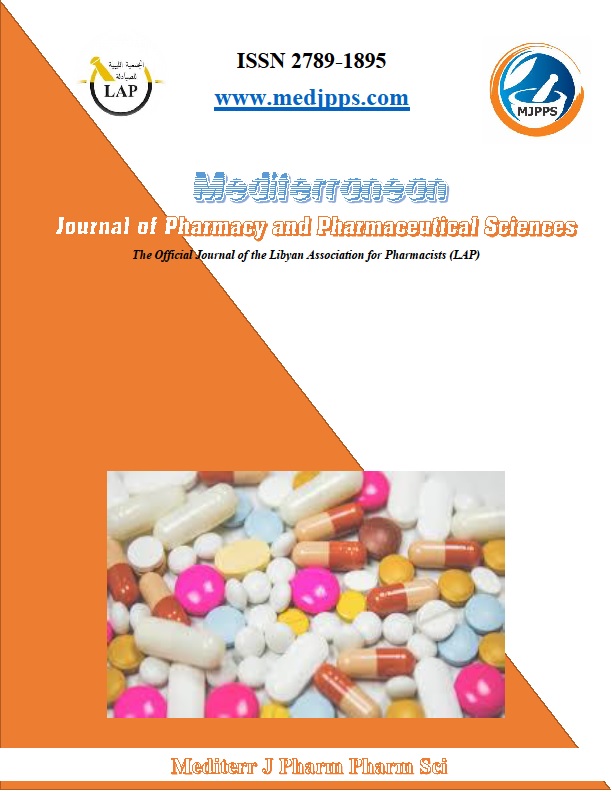 Mediterranean journal of pharmacy and pharmaceutical sciences
Evaluation of okra (abelmoschus esculentus l. moench) genotypes for important quantitative characters
An experiment was carried out during kharif 2017 at Zonal Research Station, Chianki using sixteen promising genotypes of okra with three replications in randomized block design. Observations on ten important quantitative characters were recorded. Analyzed data revealed that all characters showed significant effect. The genotype Ajeet-121 gave significantly highest yield with the yield of 135.12 q/ha followed by NS-862 and Super green with the yield of 134.75 q/ha and 134.02 q/ha, respectively. Average fruit weight (15.33 g) and yield of fruits per plant (245.67 g/plant) were recorded significantly highest in the genotype Ajeet-121. On the basis of these observations, it may be concluded that the genotype Ajeet-121 was found most suitable okra genotype for kharif cultivation in the western plateau region (sub zone-V) of Jharkhand.
International journal of agricultural and applied sciences (ijaas)
“screening of semicarbazones as anticonvulsant agents
ABSTRACT- Objective- The principal objective of the present investigation was the preparation of several analogs to further evaluate the binding site hypothesis. Aryl semicarbazides have also been reported to display excellent anticonvulsant activity in mice and rats. Method- In this project, the synthesis of semicarbazone derivatives was carried out. All molecules were synthesized using the common starting material –aniline. In all compounds, an intermediate was first formed by substituted phenyl urea using substituted aniline and potassium cyanate, and then it was hydrolyzed to get substituted phenyl semicarbazide, which was directly coupled with ketones. All the synthesized compounds were biologically screened for their anticonvulsant activity by the MES method. Result- Standard error mean was calculated concerning standard and control drug, Phenytoin sodium (25mg/kg.) and DMSO. The synthesized semicarbazone was characterized by using IR Spectroscopy. One another representative molecule compound was characterized using 1H NMR Spectroscopy. Conclusion- It can be concluded that designed semicarbazones were synthesized and characterized successfully. After synthesis of designed semicarbazones compounds were evaluated for anticonvulsant activity. Finally, two compounds have shown better activity in comparison to the other molecules.
Isolation and molecular detection of cephalosporium acremonium: the causative agent of black bundle disease in maize
Several diseases affect maize plants and one among them is black bundle disease, causal organism of which is yet to be confirmed with conflicting reports appearing in literature. In the present work, an effort was made to record the disease incidence by carry out filed surveys in Southern most district of Karnataka state, India and also to isolate and identify the causal organism. The surface sterilized pith tissue from the infected plants was cultured on PDA medium to identify the organism in the affected vascular tissue. The isolated tissue produce Cephalosporium acremonium which was confirmed based on morphological characters. In addition, Simplicillium sp. and Macrophomina phaseolina were also isolated from the same infected plant material and suspected to have participated in the disease development. In accordance with several reports in literature, Cephalosporium acremonium was tested and confirmed as the causal organism of disease in green house experiments by following the Koch’s postulates. This is in contrast with some earlier reports, wherein the exact symptoms of black bundle disease were reported as barren stalks in corn caused by Fusarium sp. The simplicillium sp. which had morphological similarity with C. acremonium and had an ambiguous taxonomic status in literature was confirmed as a distinct species through PCR based diagnosis.
 Veerabhadraswamy al
Evaluation of mineralized plasmatic matrix on augmentation of bone resorption
Bone resorption is created by different etiological factors, such as tumors, infections, and trauma. When defects are too large and healing is not possible in a spontaneous way, the defect is called a critical size defect, which is defined as the smallest size of an intra-osseous wound that will not heal spontaneously during the lifetime of the individual. This study was conducted to evaluate the use of a mineralized plasmatic matrix versus bone graft alone or in the augmentation of bony cavities in animals. Ten adult male dogs ranging in age from 12 months to 18 months with a mean weight of ten kilograms were used in this study. Bone cavities were made in the tibia of each animal. The upper holes were implanted with a bovine bone material substitute the medial holes were implanted with a mineralized plasmatic matrix and the lower holes were left free from any implant material acting as control. The dogs were euthanized at 2, 4, and 6 weeks and prepared for H and E stain and trichrome stain. The healing process of bone cavities implanted with mineralized plasmatic matrix was better compared to cavities filled with bone grafts and those left to heal spontaneously. Mineralized plasmatic matrix facilitates graft application, in its stabilization, and improves cell penetration into the graft.
Mediterranean journal of pharmacy and pharmaceutical sciences
Antiemetic activity of tithonia diversifolia (hemsl.) a. gray leaves in copper sulfate induced chick emesis model
The current study was designed to explore the antiemetic effect of the methanolic extract of Tithonia diversifolia (Hemsl.) A. Gray., leaves using chick emesis model to validate their folk use in G.I. disorders. Emesis was induced by the oral administration of copper sulfate 50mg/kg body weight to male chicks of four days of age. The antiemetic activity was determined by calculating the mean decrease in the number of retching compared to the control. Tithonia diversifolia leaves extract (150 mg/kg orally) showed a significant (p <0.05) antiemetic effect and was compared with the reference drug chlorpromazine.
 Dr. salman ahmed
Improving the performance of double-expansion chamber muffler using dielectric beads; optimization using factorial design
Purpose Noise pollution is a common health hazard worldwide which is emitted along with chemical air pollutants, simultaneously from many sources. Some studies have been conducted to control these pollutants, simultaneously with promising results being achieved. Dielectric beads have been used in air pollution control technologies, successfully and probable effectiveness of them in noise reduction can be promising in dual use of them in the exhausts emitting noise and air pollution, simultaneously. Methods In order to investigate the effectiveness of dielectric beads in noise reduction, two types of them; namely glass and ceramic beads, were placed separately inside the connecting tube of a double-expansion chamber muffler. Then the transmission loss (TL) of muffler was examined using impedance tube. A factorial design was used to evaluate and optimize the effect of noise related parameters on TL of such a system. Results Results show that the presence of dielectric beads has significant effect on TL of muffler. The maximum TL was obtained as 74.76 dB for muffler with ceramic beads, under the optimal condition of 5250 Hz and 120 dB. Measurement of TL and sound absorption coefficient (SAC) of glass and ceramic beads showed that the noise reduction in muffler with ceramic and glass beads is probably due to SAC in ceramic beads and noise reflections in glass beads, respectively. Conclusion These results promise the dual use of dielectric beads in the exhausts emitting noise and air pollution simultaneously.
Modulation of tcdd induced cyp1a1 mrna by the co-repressor smrt
Environmental factors are known to influence carcinogenesis. Pollutants, such as heterocyclic amines (HAs) and polycyclic aromatic hydrocarbons (PAHs) are examples of environmental borne procarcinogens. Procarcinogens are not active carcinogens although, they require bio-activation, via enzymes such as cytochrome P450 (CYP) to transform to active product. CYP1A1 isoform, regulated by aryl hydrocarbon receptor (AhR) plays a significant role in the bio-activation of PAHs and HAs. AhR has multiple co-activators and co-repressors for AhR that have been identified S remarkably. Silencing mediator for retinoid and thyroid hormone receptors (SMRT) was designated as a major co-repressor for AhR. In the present study, it is examined the effect of SMRT over expression on the cyp1a1 mRNA levels in murine hepatoma Hepa 1c1c7 cell line. Hepa 1c1c7 cells were maintained in Dulbecco’s Modified Eagle Medium (DMEM) and competent cells have successfully been produced using calcium chloride method. Cells were transformed using plasmid DNA and Lipofectamine. TCDD (2, 3, 7, 8-tetrachlorodibenzo-p-dioxin) was employed as an inducing agent for CYP1A1. The total cellular RNA was isolated and real-time PCR of Cyp1a1 was conducted. A statistical analysis was conducted by using one-way analysis of variance followed by Student-Newman-Keuls test. The results showed that cells transfected with the co-repressor SMRT has lower TCDD-mediated induction of cyp1a1 mRNA without affecting constitutive Cyp1a1 mRNA levels, i.e., SMRT was able to significantly decrease inducible Cyp1a1 mRNA levels in Hepa 1c1c7 cells. The present findings also demonstrated that calcium chloride is a convenient method for routine transformation. Thus, this study opens a new avenue for the management of carcinogenesis involving CYP1A1 inducing carcinogens.
Mediterranean journal of pharmacy and pharmaceutical sciences
Publication preview source gender discrimination in indian sports
Gender discrimination in the athletics industry has long been a controversial topic- even the founder of the modern Olympics, Baron Pierre de Coubertin, said in 1896, “No matter how toughened a sportswoman may be, her organism is not cut out to sustain certain shocks.” Since then, gender equality in sports has come a long way, including UNESCO recognizing sports and physical activity as a human right in 1978. Despite the obstacles women face in athletics, many women have led and are leading the way to gender equity. This paper profiles women athletes and administrators who have paved the way, and offers "Strategies for Change" that women and girl athletes, coaches, administrators, and parents can take to make school and college athletics more equitable. Participation in sports benefits women just as it does men, helping to develop leadership skills, boosting self-esteem and grades, and promoting physical fitness and health. Women and girls who participate in sports and fitness programs are healthier and more academically successful. Unsurprisingly, sports, which house the careers of the most passionate and the aspiring, are also a major concern when it comes to the issue of gender discrimination. Male dominance in sports has become a nightmare for female athletes, who in the hope of pursuing their careers in the field of sports, have been deprived of self-esteem among a plethora of gender discrimination instances. This in turn can lead to increased violence against women by these male athletes. We need to create a climate in which sports and fitness are for everyone, not just a few, and in which everyone's abilities are tested and respected.
 Yatendra sharma
Deep learning techniques to improve radio resource management in vehicular communication network
This paper investigates the deep learning techniques to improve radio resource management (RRM) in vehicular communication network (VCN). In this paper, the deep learning algorithms are highlighted which are used for RRM. Deep learning technique in RRM is basically used to train the model using various algorithms of resource management including network data. Various machine learning tools will be helpful to get best solutions for resource allocation in a large cellular network.
 Vartika agarwal
Most Popular Category
- Pharmacy (270)
- Education and social science (224)
- Pharmacology (223)
- Pharmacognosy (178)
- Business management (147)
- Pharmacology and toxicology (134)
- Education and training (131)
- Pharmaceutical sciences (130)
- Medicine (129)
- Research (123)
- Health Science (100)
- Biological Sciences (99)
- Management (98)
- Computer Science (94)
- Public health (91)
- Computer Science Applications (87)
- Human resource management (83)
- Engineering (80)
- Accounting and finance (73)
- Information technology (69)