Thermogravimetric analysis of friction welding of dissimilar material
The establishment of energy-saving and natural resource-saving systems is an important issue and relevant research and development should be accomplished without delay. Making structures lighter is one way to save energy. The study of light metals such as aluminium and magnesium alloys has received much attention. Aluminium alloys are especially attractive because of superior recyclability and workability. However, present structures made of stainless steels cannot be entirely replaced with aluminium alloy structures, taking into account strength, weldability and economics, although it is possible to replace part of a structure with aluminium alloy components. In this case, it is necessary to joint SS 430F steel with Aluminium 6061. Few sound joints have been obtained, owing to the formation of a large amount of brittle intermetallic compounds which were using fusion welding. In the recent years, welding of dissimilar metals by conventional welding techniques has become difficult. The flux used for the welding will create lot of heat which reduces the strength of the welded joints. In order to overcome this, friction welding is more effective in joining dissimilar metals when compared with fusion welding, since it is a solid-state process. Heat is generated in friction welding by conversion of mechanical energy into thermal energy in the interface of work pieces during rotation under pressure. Various ferrous and non-ferrous alloys having circular or non-circular across sections and that have different thermal and mechanical properties which can be joined by the friction welding. Conventional structures made of steel have been replaced by lighter materials, capable of providing high mechanical strength, lower volume of material and good corrosion resistance components such as those used in industries (shipbuilding, light and heavy automotive, electrical, chemical, civil, space and nuclear industry).
 Boopathy govindarajan
Business and the business environment
Organisations may either belong to the private sector or the public sector. When they are in the private sector, they can be large, small or medium-sized depending on the annual income and the number of workers they hire. Global organisations are developing rapidly because of the need to tap into new markets and production locations. Under the organisational structure, the organisation selected was Nike. It has several functional units whose activities are interrelated. For instance, human resource units ensure that the right personnel for finance or marketing are recruited and promoted. The emergence of new markets in BRIC and the digital revolution are highly relevant to external factors that affect the organisation. As a response, Nike has used social media and the digital revolution to reach customers directly. It, however, needs to take on new markets and products to remain in business.
 Zamzam abdelazim
Assessing nutritional needs of oncology patients undergoing chemotherapy at bhagwan mahaveer cancer hospital & research centre, jaipur: development of an educational booklet
Background: Cancer is the word used for a tumor that spreads & destroys the host and is one of the leading causes of morbidity and mortality in developed and developing countries. Good nutrition is important for good health. Methods: Non-experimental descriptive research design was adopted for a study to assess knowledge on meeting nutritional needs among 100 oncology patients receiving chemotherapy at Bhagwan Mahaveer Cancer Hospital & Research Centre, Jaipur. Sample selection using a non-probability convenient sampling technique. Data were collected through a self-developed structured knowledge questionnaire. Results: Our results revealed that the majority of cancer patients, 43%, were in the age group of 31-40 years, 39% had no formal education, 32% had secondary education, and 17% had primary education. 76% were males, 24% were female, and 87% of participants did not have a family history of cancer. 55.23% of patients reported that nurses did counselling. The majority (67%) of respondents reported that they had previous information on meeting nutritional needs through diet counselling, and 33% reported they didn’t have any information about meeting nutritional needs. Most (45%) of cancer patients had poor knowledge, 26% had average knowledge, and 29% had good knowledge scoring. Conclusion:Conclusion:Conclusion:Conclusion:Conclusion:Conclusion:Conclusion:Conclusion:Conclusion:Conclusion:Conclusion: We concluded that results show most (45%) of oncology patients receiving chemotherapy had poor knowledge We concluded that results show most (45%) of oncology patients receiving chemotherapy had poor knowledge We concluded that results show most (45%) of oncology patients receiving chemotherapy had poor knowledge We concluded that results show most (45%) of oncology patients receiving chemotherapy had poor knowledge We concluded that results show most (45%) of oncology patients receiving chemotherapy had poor knowledge We concluded that results show most (45%) of oncology patients receiving chemotherapy had poor knowledge We concluded that results show most (45%) of oncology patients receiving chemotherapy had poor knowledge We concluded that results show most (45%) of oncology patients receiving chemotherapy had poor knowledge We concluded that results show most (45%) of oncology patients receiving chemotherapy had poor knowledge We concluded that results show most (45%) of oncology patients receiving chemotherapy had poor knowledge We concluded that results show most (45%) of oncology patients receiving chemotherapy had poor knowledge We concluded that results show most (45%) of oncology patients receiving chemotherapy had poor knowledge We concluded that results show most (45%) of oncology patients receiving chemotherapy had poor knowledge We concluded that results show most (45%) of oncology patients receiving chemotherapy had poor knowledge We concluded that results show most (45%) of oncology patients receiving chemotherapy had poor knowledge We concluded that results show most (45%) of oncology patients receiving chemotherapy had poor knowledge We concluded that results show most (45%) of oncology patients receiving chemotherapy had poor knowledge We concluded that results show most (45%) of oncology patients receiving chemotherapy had poor knowledge We concluded that results show most (45%) of oncology patients receiving chemotherapy had poor knowledge We concluded that results show most (45%) of oncology patients receiving chemotherapy had poor knowledge We concluded that results show most (45%) of oncology patients receiving chemotherapy had poor knowledge We concluded that results show most (45%) of oncology patients receiving chemotherapy had poor knowledge We concluded that results show most (45%) of oncology patients receiving chemotherapy had poor knowledge We concluded that results show most (45%) of oncology patients receiving chemotherapy had poor knowledge We concluded that results show most (45%) of oncology patients receiving chemotherapy had poor knowledge We concluded that results show most (45%) of oncology patients receiving chemotherapy had poor knowledge We concluded that results show most (45%) of oncology patients receiving chemotherapy had poor knowledge We concluded that results show most (45%) of oncology patients receiving chemotherapy had poor knowledge We concluded that results show most (45%) of oncology patients receiving chemotherapy had poor knowledge We concluded that results show most (45%) of oncology patients receiving chemotherapy had poor knowledge We concluded that results show most (45%) of oncology patients receiving chemotherapy had poor knowledge We concluded that results show most (45%) of oncology patients receiving chemotherapy had poor knowledge We concluded that results show most (45%) of oncology patients receiving chemotherapy had poor knowledge We concluded that results show most (45%) of oncology patients receiving chemotherapy had poor knowledge We concluded that results show most (45%) of oncology patients receiving chemotherapy had poor knowledge We concluded that results show most (45%) of oncology patients receiving chemotherapy had poor knowledge We concluded that results show most (45%) of oncology patients receiving chemotherapy had poor knowledge We concluded that results show most (45%) of oncology patients receiving chemotherapy had poor knowledge We concluded that results show most (45%) of oncology patients receiving chemotherapy had poor knowledge We concluded that results show most (45%) of oncology patients receiving chemotherapy had poor knowledge We concluded that results show most (45%) of oncology patients receiving chemotherapy had poor knowledge We concluded that results show most (45%) of oncology patients receiving chemotherapy had poor knowledge We concluded that results show most (45%) of oncology patients receiving chemotherapy had poor knowledge We concluded that results show most (45%) of oncology patients receiving chemotherapy had poor knowledge We concluded that results show most (45%) of oncology patients receiving chemotherapy had poor knowledge We concluded that results show most (45%) of oncology patients receiving chemotherapy had poor knowledge We concluded that results show most (45%) of oncology patients receiving chemotherapy had poor knowledge We concluded that results show most (45%) of oncology patients receiving chemotherapy had poor knowledge We concluded that results show most (45%) of oncology patients receiving chemotherapy had poor knowledge We concluded that results show most (45%) of oncology patients receiving chemotherapy had poor knowledge We concluded that results show most (45%) of oncology patients receiving chemotherapy had poor knowledge We concluded that results show most (45%) of oncology patients receiving chemotherapy had poor knowledge We concluded that results show most (45%) of oncology patients receiving chemotherapy had poor knowledge We concluded that results show most (45%) of oncology patients receiving chemotherapy had poor knowledge We concluded that results show most (45%) of oncology patients receiving chemotherapy had poor knowledge We concluded that results show most (45%) of oncology patients receiving chemotherapy had poor knowledge We concluded that results show most (45%) of oncology patients receiving chemotherapy had poor knowledge We concluded that results show most (45%) of oncology patients receiving chemotherapy had poor knowledge We concluded that results show most (45%) of oncology patients receiving chemotherapy had poor knowledge We concluded that results show most (45%) of oncology patients receiving chemotherapy had poor knowledge We concluded that results show most (45%) of oncology patients receiving chemotherapy had poor knowledge We concluded that results show most (45%) of oncology patients receiving chemotherapy had poor knowledge We concluded that results show most (45%) of oncology patients receiving chemotherapy had poor knowledge We concluded that results show most (45%) of oncology patients receiving chemotherapy had poor knowledge We concluded that results show most (45%) of oncology patients receiving chemotherapy had poor knowledge We concluded that results show most (45%) of oncology patients receiving chemotherapy had poor knowledge We concluded that results show most (45%) of oncology patients receiving chemotherapy had poor knowledge We concluded that results show most (45%) of oncology patients receiving chemotherapy had poor knowledge We concluded that results show most (45%) of oncology patients receiving chemotherapy had poor knowledge We concluded that results show most (45%) of oncology patients receiving chemotherapy had poor knowledge We concluded that results show most (45%) of oncology patients receiving chemotherapy had poor knowledge We concluded that results show most (45%) of oncology patients receiving chemotherapy had poor knowledge We concluded that results show most (45%) of oncology patients receiving chemotherapy had poor knowledge We concluded that results show most (45%) of oncology patients receiving chemotherapy had poor knowledge We concluded that results show most (45%) of oncology patients receiving chemotherapy had poor knowledge We concluded that results show most (45%) of oncology patients receiving chemotherapy had poor knowledge We concluded that results show most (45%) of oncology patients receiving chemotherapy had poor knowledge We concluded that results show most (45%) of oncology patients receiving chemotherapy had poor knowledge We concluded that results show most (45%) of oncology patients receiving chemotherapy had poor knowledge We concluded that results show most (45%) of oncology patients receiving chemotherapy had poor knowledge We concluded that results show most (45%) of oncology patients receiving chemotherapy had poor knowledge We concluded that results show most (45%) of oncology patients receiving chemotherapy had poor knowledge We concluded that results show most (45%) of oncology patients receiving chemotherapy had poor knowledge We concluded that results show most (45%) of oncology patients receiving chemotherapy had poor knowledge We concluded that results show most (45%) of oncology patients receiving chemotherapy had poor knowledge meeting nutritionmeeting nutrition meeting nutrition meeting nutrition meeting nutritionmeeting nutrition meeting nutrition meeting nutritionmeeting nutritionmeeting nutritionmeeting nutritionmeeting nutritional needs during chemotherapy. However, the researcher developed an information booklet, and he hopes that al needs during chemotherapy. However, the researcher developed an information booklet, and he hopes that al needs during chemotherapy. However, the researcher developed an information booklet, and he hopes that al needs during chemotherapy. However, the researcher developed an information booklet, and he hopes that al needs during chemotherapy. However, the researcher developed an information booklet, and he hopes that al needs during chemotherapy. However, the researcher developed an information booklet, and he hopes that al needs during chemotherapy. However, the researcher developed an information booklet, and he hopes that al needs during chemotherapy. However, the researcher developed an information booklet, and he hopes that al needs during chemotherapy. However, the researcher developed an information booklet, and he hopes that al needs during chemotherapy. However, the researcher developed an information booklet, and he hopes that al needs during chemotherapy. However, the researcher developed an information booklet, and he hopes that al needs during chemotherapy. However, the researcher developed an information booklet, and he hopes that al needs during chemotherapy. However, the researcher developed an information booklet, and he hopes that al needs during chemotherapy. However, the researcher developed an information booklet, and he hopes that al needs during chemotherapy. However, the researcher developed an information booklet, and he hopes that al needs during chemotherapy. However, the researcher developed an information booklet, and he hopes that al needs during chemotherapy. However, the researcher developed an information booklet, and he hopes that al needs during chemotherapy. However, the researcher developed an information booklet, and he hopes that al needs during chemotherapy. However, the researcher developed an information booklet, and he hopes that al needs during chemotherapy. However, the researcher developed an information booklet, and he hopes that al needs during chemotherapy. However, the researcher developed an information booklet, and he hopes that al needs during chemotherapy. However, the researcher developed an information booklet, and he hopes that al needs during chemotherapy. However, the researcher developed an information booklet, and he hopes that al needs during chemotherapy. However, the researcher developed an information booklet, and he hopes that al needs during chemotherapy. However, the researcher developed an information booklet, and he hopes that al needs during chemotherapy. However, the researcher developed an information booklet, and he hopes that al needs during chemotherapy. However, the researcher developed an information booklet, and he hopes that al needs during chemotherapy. However, the researcher developed an information booklet, and he hopes that al needs during chemotherapy. However, the researcher developed an information booklet, and he hopes that al needs during chemotherapy. However, the researcher developed an information booklet, and he hopes that al needs during chemotherapy. However, the researcher developed an information booklet, and he hopes that al needs during chemotherapy. However, the researcher developed an information booklet, and he hopes that al needs during chemotherapy. However, the researcher developed an information booklet, and he hopes that al needs during chemotherapy. However, the researcher developed an information booklet, and he hopes that al needs during chemotherapy. However, the researcher developed an information booklet, and he hopes that al needs during chemotherapy. However, the researcher developed an information booklet, and he hopes that al needs during chemotherapy. However, the researcher developed an information booklet, and he hopes that al needs during chemotherapy. However, the researcher developed an information booklet, and he hopes that al needs during chemotherapy. However, the researcher developed an information booklet, and he hopes that al needs during chemotherapy. However, the researcher developed an information booklet, and he hopes that al needs during chemotherapy. However, the researcher developed an information booklet, and he hopes that al needs during chemotherapy. However, the researcher developed an information booklet, and he hopes that al needs during chemotherapy. However, the researcher developed an information booklet, and he hopes that al needs during chemotherapy. However, the researcher developed an information booklet, and he hopes that al needs during chemotherapy. However, the researcher developed an information booklet, and he hopes that al needs during chemotherapy. However, the researcher developed an information booklet, and he hopes that al needs during chemotherapy. However, the researcher developed an information booklet, and he hopes that al needs during chemotherapy. However, the researcher developed an information booklet, and he hopes that al needs during chemotherapy. However, the researcher developed an information booklet, and he hopes that al needs during chemotherapy. However, the researcher developed an information booklet, and he hopes that al needs during chemotherapy. However, the researcher developed an information booklet, and he hopes that al needs during chemotherapy. However, the researcher developed an information booklet, and he hopes that al needs during chemotherapy. However, the researcher developed an information booklet, and he hopes that al needs during chemotherapy. However, the researcher developed an information booklet, and he hopes that al needs during chemotherapy. However, the researcher developed an information booklet, and he hopes that al needs during chemotherapy. However, the researcher developed an information booklet, and he hopes that al needs during chemotherapy. However, the researcher developed an information booklet, and he hopes that al needs during chemotherapy. However, the researcher developed an information booklet, and he hopes that al needs during chemotherapy. However, the researcher developed an information booklet, and he hopes that al needs during chemotherapy. However, the researcher developed an information booklet, and he hopes that al needs during chemotherapy. However, the researcher developed an information booklet, and he hopes that al needs during chemotherapy. However, the researcher developed an information booklet, and he hopes that al needs during chemotherapy. However, the researcher developed an information booklet, and he hopes that al needs during chemotherapy. However, the researcher developed an information booklet, and he hopes that al needs during chemotherapy. However, the researcher developed an information booklet, and he hopes that al needs during chemotherapy. However, the researcher developed an information booklet, and he hopes that al needs during chemotherapy. However, the researcher developed an information booklet, and he hopes that al needs during chemotherapy. However, the researcher developed an information booklet, and he hopes that al needs during chemotherapy. However, the researcher developed an information booklet, and he hopes that al needs during chemotherapy. However, the researcher developed an information booklet, and he hopes that al needs during chemotherapy. However, the researcher developed an information booklet, and he hopes that al needs during chemotherapy. However, the researcher developed an information booklet, and he hopes that al needs during chemotherapy. However, the researcher developed an information booklet, and he hopes that al needs during chemotherapy. However, the researcher developed an information booklet, and he hopes that the booklet will surely enhance oncology patient’s knowledge of meeting nutritional needs during chemotherapy the booklet will surely enhance oncology patient’s knowledge of meeting nutritional needs during chemotherapy the booklet will surely enhance oncology patient’s knowledge of meeting nutritional needs during chemotherapy the booklet will surely enhance oncology patient’s knowledge of meeting nutritional needs during chemotherapy the booklet will surely enhance oncology patient’s knowledge of meeting nutritional needs during chemotherapy the booklet will surely enhance oncology patient’s knowledge of meeting nutritional needs during chemotherapy the booklet will surely enhance oncology patient’s knowledge of meeting nutritional needs during chemotherapy the booklet will surely enhance oncology patient’s knowledge of meeting nutritional needs during chemotherapy the booklet will surely enhance oncology patient’s knowledge of meeting nutritional needs during chemotherapy the booklet will surely enhance oncology patient’s knowledge of meeting nutritional needs during chemotherapy the booklet will surely enhance oncology patient’s knowledge of meeting nutritional needs during chemotherapy the booklet will surely enhance oncology patient’s knowledge of meeting nutritional needs during chemotherapy the booklet will surely enhance oncology patient’s knowledge of meeting nutritional needs during chemotherapy the booklet will surely enhance oncology patient’s knowledge of meeting nutritional needs during chemotherapy the booklet will surely enhance oncology patient’s knowledge of meeting nutritional needs during chemotherapy the booklet will surely enhance oncology patient’s knowledge of meeting nutritional needs during chemotherapy the booklet will surely enhance oncology patient’s knowledge of meeting nutritional needs during chemotherapy the booklet will surely enhance oncology patient’s knowledge of meeting nutritional needs during chemotherapy the booklet will surely enhance oncology patient’s knowledge of meeting nutritional needs during chemotherapy the booklet will surely enhance oncology patient’s knowledge of meeting nutritional needs during chemotherapy the booklet will surely enhance oncology patient’s knowledge of meeting nutritional needs during chemotherapy the booklet will surely enhance oncology patient’s knowledge of meeting nutritional needs during chemotherapy the booklet will surely enhance oncology patient’s knowledge of meeting nutritional needs during chemotherapy the booklet will surely enhance oncology patient’s knowledge of meeting nutritional needs during chemotherapy the booklet will surely enhance oncology patient’s knowledge of meeting nutritional needs during chemotherapy the booklet will surely enhance oncology patient’s knowledge of meeting nutritional needs during chemotherapy the booklet will surely enhance oncology patient’s knowledge of meeting nutritional needs during chemotherapy the booklet will surely enhance oncology patient’s knowledge of meeting nutritional needs during chemotherapy the booklet will surely enhance oncology patient’s knowledge of meeting nutritional needs during chemotherapy the booklet will surely enhance oncology patient’s knowledge of meeting nutritional needs during chemotherapy the booklet will surely enhance oncology patient’s knowledge of meeting nutritional needs during chemotherapy the booklet will surely enhance oncology patient’s knowledge of meeting nutritional needs during chemotherapy the booklet will surely enhance oncology patient’s knowledge of meeting nutritional needs during chemotherapy the booklet will surely enhance oncology patient’s knowledge of meeting nutritional needs during chemotherapy the booklet will surely enhance oncology patient’s knowledge of meeting nutritional needs during chemotherapy the booklet will surely enhance oncology patient’s knowledge of meeting nutritional needs during chemotherapy the booklet will surely enhance oncology patient’s knowledge of meeting nutritional needs during chemotherapy the booklet will surely enhance oncology patient’s knowledge of meeting nutritional needs during chemotherapy the booklet will surely enhance oncology patient’s knowledge of meeting nutritional needs during chemotherapy the booklet will surely enhance oncology patient’s knowledge of meeting nutritional needs during chemotherapy the booklet will surely enhance oncology patient’s knowledge of meeting nutritional needs during chemotherapy the booklet will surely enhance oncology patient’s knowledge of meeting nutritional needs during chemotherapy the booklet will surely enhance oncology patient’s knowledge of meeting nutritional needs during chemotherapy the booklet will surely enhance oncology patient’s knowledge of meeting nutritional needs during chemotherapy the booklet will surely enhance oncology patient’s knowledge of meeting nutritional needs during chemotherapy the booklet will surely enhance oncology patient’s knowledge of meeting nutritional needs during chemotherapy the booklet will surely enhance oncology patient’s knowledge of meeting nutritional needs during chemotherapy the booklet will surely enhance oncology patient’s knowledge of meeting nutritional needs during chemotherapy the booklet will surely enhance oncology patient’s knowledge of meeting nutritional needs during chemotherapy the booklet will surely enhance oncology patient’s knowledge of meeting nutritional needs during chemotherapy the booklet will surely enhance oncology patient’s knowledge of meeting nutritional needs during chemotherapy the booklet will surely enhance oncology patient’s knowledge of meeting nutritional needs during chemotherapy the booklet will surely enhance oncology patient’s knowledge of meeting nutritional needs during chemotherapy the booklet will surely enhance oncology patient’s knowledge of meeting nutritional needs during chemotherapy the booklet will surely enhance oncology patient’s knowledge of meeting nutritional needs during chemotherapy the booklet will surely enhance oncology patient’s knowledge of meeting nutritional needs during chemotherapy the booklet will surely enhance oncology patient’s knowledge of meeting nutritional needs during chemotherapy the booklet will surely enhance oncology patient’s knowledge of meeting nutritional needs during chemotherapy the booklet will surely enhance oncology patient’s knowledge of meeting nutritional needs during chemotherapy the booklet will surely enhance oncology patient’s knowledge of meeting nutritional needs during chemotherapy the booklet will surely enhance oncology patient’s knowledge of meeting nutritional needs during chemotherapy the booklet will surely enhance oncology patient’s knowledge of meeting nutritional needs during chemotherapy the booklet will surely enhance oncology patient’s knowledge of meeting nutritional needs during chemotherapy the booklet will surely enhance oncology patient’s knowledge of meeting nutritional needs during chemotherapy the booklet will surely enhance oncology patient’s knowledge of meeting nutritional needs during chemotherapy the booklet will surely enhance oncology patient’s knowledge of meeting nutritional needs during chemotherapy the booklet will surely enhance oncology patient’s knowledge of meeting nutritional needs during chemotherapy the booklet will surely enhance oncology patient’s knowledge of meeting nutritional needs during chemotherapy the booklet will surely enhance oncology patient’s knowledge of meeting nutritional needs during chemotherapy the booklet will surely enhance oncology patient’s knowledge of meeting nutritional needs during chemotherapy the booklet will surely enhance oncology patient’s knowledge of meeting nutritional needs during chemotherapy the booklet will surely enhance oncology patient’s knowledge of meeting nutritional needs during chemotherapy the booklet will surely enhance oncology patient’s knowledge of meeting nutritional needs during chemotherapy the booklet will surely enhance oncology patient’s knowledge of meeting nutritional needs during chemotherapy the booklet will surely enhance oncology patient’s knowledge of meeting nutritional needs during chemotherapy the booklet will surely enhance oncology patient’s knowledge of meeting nutritional needs during chemotherapy the booklet will surely enhance oncology patient’s knowledge of meeting nutritional needs during chemotherapy the booklet will surely enhance oncology patient’s knowledge of meeting nutritional needs during chemotherapy the booklet will surely enhance oncology patient’s knowledge of meeting nutritional needs during chemotherapy the booklet will surely enhance oncology patient’s knowledge of meeting nutritional needs during chemotherapy the booklet will surely enhance oncology patient’s knowledge of meeting nutritional needs during chemotherapy .
 Dr k c yadav
Thermochemical modeling and performance evaluation of freeze desalination systems
Freeze desalination (FD) is a method in which saline water is cooled below its freezing point and freshwater is separated from the brine in the form of ice crystals. FD is relatively insensitive to the salinity of the feed solution, making it suitable for desalination of high concentration brines such as the brine rejected from the seawater desalination plants. The design of the FD system and the thermochemical behavior of the brine upon freezing are critical factors in the energy performance of this method. To date, thermochemical properties of the concentrated seawater during cooling, such as the threshold of formation of ice and salt-hydrates and their corresponding cooling load of formation, are not well known. Likewise, the optimal configuration of the FD system to achieve the maximum energy efficiency has not been investigated. This work provides comprehensive data about the cooling load of freezing of concentrated brine rejected from seawater desalination plants along with the threshold of formation of ice and salt-hydrates backed-up by validation. Furthermore, the optimal configuration of the FD system is identified and the effects of the compressor isentropic efficiency and effectiveness of the system’s heat exchangers on the work consumption of the FD system were investigated.
The organisational structures and its economical and social efficiency
Object: In the competitive world of the market economy, every economic unit tries organizing everyday activities. Creating a set of suitable and cost-efficient organizational structures and making competitive products and services, top managers should find the mechanisms of building alternative ways of organizational structures. Methods: This paper presents the traditional and modern management structures, their historical steps, and developed methods. In this footfall of the market economy, companies in developing countries should build their management system’s organizational structure. They should advance a management system, managerial behaviours, and new management styles of developed ones. For this purpose in this research has learned organizational structures of developed companies. The investigation discusses the emergence, formation, and modern appearance of management structures that evaluate organizational structures’ importance in enterprises and companies’ activities, using vivid examples. Findings: Then, it has shown some forms of developed organizational structures of companies with the assessment of their highest role in management. In the conclusions and recommendations, we offer our approaches to solving existing organizational problems using the historical period of development to this day.
 Ikboljon odashev mashrabjonovich
Business sustainability: the trend of human resource disclosure based on malaysian evidence
This paper aims to investigate the trend of human resource disclosure (HRD) quality based on publicly disclosed annual reports of 235 Malaysian listed companies. The data was collected through content analysis method using HRD index. The results reveal that there is an increasing trend of HRD quality from 2010 to 2014. However the significant increase is only between 2012 and 2013. This study provides empirical support for Institutional theory’s coercive isomorphism, through its findings on quality of HRD. This is because, the related disclosure regulations and the Malaysian government policy through Malaysia Plan may have significantly influenced firms to increase HRD quality in their annual reports.
 Asyraf afthanorhan
Estimation of oxalate contents in macrotyloma uniflorum (lam.) verdc., phaseolus lunatus linn., and phaseolus vulgaris linn
The seed flours of Macrotyloma uniflorum (Lam.) Verdc., Phaseolus lunatus Linn., and Phaseolus vulgaris Linn. were investigated for their total, soluble and insoluble oxalate contents by HPLC. The total oxalate content of Macrotyloma uniflorum, Phaseolus lunatus and Phaseolus vulgaris were 1.24, 1.77 and 1.71 mg/ g, respectively. The % age of soluble oxalate was Macrotyloma uniflorum (19.50), Phaseolus lunatus (15.08) and Phaseolus vulgaris (15.88). The calculated soluble oxalate: calcium ratio of all tested legume flours is lesser than one and hence will not create any resistance in calcium bioavailability.
 Dr. salman ahmed
Efficacy of strobilurin group fungicides against turcicum leaf blight and polysora rust in maize hybrids
Turcicum leaf blight (TLB) and Polysora rust diseases are taking heavy shiver in all maize growing regions of Karnataka. Several new fungicides are used to control the diseases, among them strobilurin group fungicides in combination with triazolefungicides are found effective in management of diseases. A mixture of Trifloxystrobin 50 WG + Tebuconazole 250 EC and mixture of Azoxystrobin 25 SC + Difenoconazole 25 EC were used in this study to manage the TLB and Polysora rust. The two combination fungicides were evaluated in different days against TLB and Polysora rust on two susceptible varieties namely 219J and CM 202. Results revealed that mixture of Trifloxystrobin 50 WG + Tebuconazole 250 EC @ 0.7 g/lit and mixture of Azoxystrobin 25 SC + Difenoconazole 25 EC @ 2.5 ml/litwere found effective in the management of TLB (15.0 % and 11.0 % respectively) and mixture of Trifloxystrobin 50 WG + Tebuconazole 250 EC @ 0.7 g/lit were found effective in controlling Polysora rust (13.2 %). Allied to yield, more significant increase in yield was recorded in treatment Trifloxystrobin 50 WG + Tebuconazole 250 EC @ 0.7 g/lit (5131.1kgs/ha). While, mixtures of Azoxystrobin 25 SC + Difenoconazole 25 EC @ 2.5 ml/lit recorded yield of 5913.0 kgs/ha, this was significantly superior with respect to disease control and yield aspects.
 Veerabhadraswamy al
Antiurolithiatic plants in different countries and cultures
Urolithiasis is a very old and common urological disorder with its worldwide prevalence, multi-factorial etiology, increased recurrent rate and severe consequences. The adverse effects of currently available antiurolithiatic agents potentiate natural product researchers to explore natural antiurolithiatic compounds with fewer side effects. The presented communication is actually a review of the antiurolithiatic effect of four hundred and fifty-seven (457) plants belonging to one hundred and eight (108) families found in different parts of the world. This review will provide helpful information for discovering natural antiurolitiatic compounds and fill the gaps in knowledge.
A study on biocontrol and plant growth promoting efficacy of azadirachta indica (neem) leaf endophytic bacteria
Background and Objective: Endophytic bacteria can protect host plants by producing secondary metabolites and also improve host plant growth by various mechanisms. This unique character makes a special role in, using endophytic bacteria in sustainable agriculture. The study aims to isolate endophytic bacteria from Azadirachta indica (neem) leaf and screened for their biocontrol and plant growth-promoting properties. Materials and Methods: Totally 13 endophytic bacteria isolated from neem leaf and it was tested for their in-vitro antifungal activities against Rhizoctonia solani. A total of 3 isolates (N1B, N4B and N5B) were selected on the broad antifungal activity (50%, 56%, 75% mycelial inhibition). Among different solvents used for the extraction of secondary metabolites from endophytic bacteria, only ethyl acetate extract of N5B showed maximum zone of inhibition in well diffusion method against fungal pathogen. Results: The GC-MS analysis of ethyl acetate extracts of N5B exhibited 14 compounds with antifungal activity, such as Dimethoxyglycerol docosyl ether, Pentadecanoic acid, Oleic acid etc. Selected 3 endophytic isolates were identified up to molecular level using 16S rRNA sequencing and it was identified as Bacillus haynesii, Stenotrophomonas maltophilia and Pseudomonas aeruginosa. The identified isolates were used for nursery experiments based on their strong in-vitro antifungal and PGP activities such as P, K, and Zn solubilization, N fixation, IAA, HCN and EPS production. Conclusion: The tested bacterial isolates significantly decreased disease severity in rice, infected with R. solani and increased plant biomass when compared with un-inoculated control. Our findings suggested above mentioned 3 bacterial species may be promising candidates as a biocontrol agent to confer resistance to sheath blight disease of rice.
 Dr. saranya devi k
Analysis of few crude compounds and separation of leaf pigments in few medicinal plant species
For utilization of a certain biomass it is necessary to know its chemical composition. The present study is qualitative crude chemical analyses of nutritional value (crude compounds) such as acidity, starch, carohydrates, iron and calcium etc. from stem extracts of Tinospora cardifolia, Centella asiatica, Clerodendrum inerme and leaf extract of Ocimum sanctum, Lawsonia inermis and Piper nigrum were conducted and also separate the pigments by TLC methods. The results revealed that Tinospora cardifolia, biomolecules like starch and carbohydrates were present and elements like iron and calcium were absent. In Centella asiatica indicated the absence of biomolecules like starch and carbohydrates and only one molecules, i.e., calcium is present and iron is absent. Similarly, in Clerodendrum inerme, biomolecules like starch were absent and carbohydrates were present. Both the elements iron and calcium were absent in Clerodendrum plant extracts. In Ocimum sanctum, starch is absent carbohydrates are present, iron and calcium are absent. In Lawsonia inermis, the results are similar to Ocimum sp. i.e., only carbohydrates are present remaining starch, iron and calcium are absent in Ocimum leaf extract. Interestingly, in Piper nigrum, all chemical compounds are totally absent. Related to pigments analysis highest distance travelled pigments are carotenoids (4.3 cm) in O. sanctum and highest numbers of pigments were founded in C. inerme with six pigments and least number of pigments was recorded in O. sanctum (four) and L. inermis (four). Meanwhile, the highest Rf value recorded in O. sanctum and P. nigrum with 0.97 (chlorophyll a). Among the seven pigments in six species carotenoids, chlorophyll a and xanthophylls are common to all species but chlorophyll b, lutein, anthocyanin and lawsonin are rare to occurs in these six species for example Lawsonin occur only in P. nigrum.
Therapeutic potentials of crocin in medication of neurological disorders
Neurological sicknesses are severe, multifactorial, debilitating disorders that may cause neurodegeneration. Neuroprotection protects the structure and capacity of neurons from affronts emerging from cell injuries instigated by an assortment of specialists or neurodegenerative diseases. Various neurodegenerative diseases, including Alzheimer's, Parkinson's, and epilepsy, afflict many people worldwide, with increasing age representing the leading risk factor. Crocin is a natural carotenoid compound with therapeutic potential in managing neurological disease. In this review, we focused on the therapeutic capabilities of Crocin as a neuroprotective agent. The general neuroprotective impact and the various conceivable essential components identified with Crocin have been examined. In light of the substantial proof indicating the neuro-pharmacological viability of Crocin to different exploratory standards, it is concluded that Crocin exerts direct antioxidant, antiapoptotic and anti-inflammatory activities by multiple signalling pathways. Besides, Crocin was found to elevate dopamine levels in the brain during the experimental model of Parkinson's disease. Thus, this compound has been demonstrated to be a promising option for treating neurodegenerative diseases with few adverse effects. It should be further considered as a potential contender for neuro-therapeutics, concentrating on the mechanistic and clinical evidence for its effects.
Primary hydatid cyst of the small intestine masquerading as intestinalhydatid cyst
Hydatid disease or hydatidosis is a worldwide zoonosis disease caused by the tapeworm of Echinococcus granulosus and still widely endemic in Tunisia especially in rural areas where the sheep-dog cycle is dominant. It is an important public health problem in the pediatric age group causing significant morbidity and mortality. We report a case of primary hydatid cyst of the small intestine in a child and we want to highlight the difficulty that we meet in the diagnosis despite the contribution of imaging.
 Sameh
Sameh
A mathematical approach for formulation of generalized field data based model for productivity enhancement of cylinder head moulding operation
In this paper, an approach for formulation of generalized field data based model for cylinder head moulding operation. The aim of field data based modeling for cylinder head moulding operation is to improve the output by correcting or modifying the inputs. The goal of the research is to reduce human energy input required while performing cylinder head moulding operation. With the reduction in human energy input, automatically, the productivity of the process will also increase. The study identifies important ergonomic and other work environment related parameters which affect productivity. The identified parameters are properties of sand, physical dimensions of tools, energy outflow of workers, anthropometric data of the workers, working conditions like relative humidity, ambient temperature. Out of all the variables, responses and causes are identified. After dimensional analysis relationship between the dependent and independent parameters, a mathematical model is established having a relationship between output parameters and input. To get the optimized values model is optimized using the optimization technique. Sensitivity analysis is a tool which can be used to find out the effect of input one parameter over the other. The model will be useful for an industrialist to select optimized inputs so as to get targeted responses.
Mycobacterium tuberculosis infection and diabetes mellitus-mycobacterium tuberculosis dual burden in subjects attending infectious diseases hospital calabar, nigeria
Background: The rising global DM epidemic is driving the problem of TB control. This research determined glycemic control in TB only infected and DM-TB comorbidity and the consequence of the double burden on treatment outcome. Methods: fifty M. TB infected subjects and fifty control subjects were enrolled into the study, all the participants gave consents. FPG and HbA1c were determined by Colorimetry. Data were analyzed using SPSS version 20.0 statistical package, differences between groups and variation among groups were determined by Student’s t-test and ANOVA respectively while the association between variables by Pearson’s correlation. Differences were considered statistically significant at p<0.05. Results: The mean FPG and HbA1c levels of TB subjects were significantly (P<0.05) higher than those of the control. The mean BMI of the TB infected subjects was significantly lower (p=0.001) than that of the controls. The mean age, FPG and HbA1c of TB subjects at the beginning phase of treatment were significantly lower (p<0.05) than those of subjects at the continuation phase of treatment. The mean age, FPG and HbA1c of subjects with DM-M.TB coexistence were significantly (p<0.05) higher than those of the M.TB only infected subjects. BMI of the DM-M.TB comorbidity subjects was lower than that of the M.TB only infected subjects (p=0.109). A significant positive correlation was obtained between HbA1C and FPG in M.tb infected subjects. (r=0.910, p=0.001). A negative correlation obtained between HbA1C and BMI in M.tb infected subjects. (r=0.267, p=0.061). Conclusion: Infection with mycobacterium tuberculosis poses a risk to DM and vice versa, which may adversely affect treatment outcome and control of both diseases. Firm efforts to control DM may likely have a significant valuable effect on TB treatment outcome.
 Eworo raymond
Primary intraosseous xanthogranuloma in adult cervical spine: a case report of benign cause of lytic bone lesion
Lytic lesions in adult spine are a common manifestation of aggressive disease such as primary bone tumor, metastasis, myeloma, or infectious pathology. Xanthoma arising in the spine with purely intraosseous component is an extremely rare occurrence with only six cases reported in the adult population, none in the cervical region. We report the first case of primary xanthoma of the cervical spine in a 50‑year‑old male solely confined to osseous compartment. The imaging mimics of lytic lesion with expansile mass in adult spine are reiterated.
Implementation of corporate social responsibility initiatives for tanzania corporations and not-for-profit organizations
The purpose of this study is to evaluate activities of the corporate citizens in Tanzania and find the best way of aligning CSR initiatives to attain mutual benefits between the organizations and general public. A total of 45 organizations, both for profit and not for profit, were engaged in this study from four different industries. The study used semi-structured interview guide to collect data and a focused group discussion was organized. Contents analysis was used to categorize the responses into five major themes, as discussed in the main document. The findings reveal that CSR is still at its initial stage and much has to be done for the corporations to draw the best out it. Keywords Strategic CSR Value Organization and Society
 Dr. omary swallehe
Sorghum bicolor-based supplement reduces oxidative stress and pro-inflammatory cytokines to mitigate rotenone-induced parkinsonian-like motor dysfunctions in rats
Parkinson’s disease is a common movement disorder associated primarily with oxidative stress-mediated degeneration of dopaminergic neurons. Earlier studies showed that Sorghum bicolor-based supplement (SbS) exhibited antioxidant and neuroprotective activities and might likely rescue the death of dopaminergic neurons in Parkinson’s disease. This study examined the effect of SbS on rotenone-induced Parkinsonian-like motor deficits in rats and the involvement of oxidative stress and pro-inflammatory cytokines. Rats were divided into six groups and treated orally with sunflower oil (vehicle-control), rotenone (2.5 mg/kg) alone or in combination with each dose of SbS (50, 100, and 200 mg/kg) and levodopa-carbidopa (10 mg/kg) on an alternate day for 28 days. The changes in motor functions were evaluated on day 28 and the brain concentrations of oxidative stress biomarkers and pro-inflammatory cytokines (tumor necrosis factor-alpha and interleukin-6) were determined. Rotenone caused motor deficits by impaired locomotor activity in the open field test and induced catalepsy in the bar test, which were attenuated by SbS. Rats pretreated with SbS had reduced brain levels of malondialdehyde, nitrite, and pro-inflammatory cytokines compared to rotenone controls. SbS mitigated rotenone-induced depletion of reduced glutathione and antioxidant enzymes in the rat brain. The results suggest that SbS ameliorated rotenone-induced Parkinsonian-like motor dysfunctions by reducing neuronal oxidative stress and pro-inflammatory cytokines in rats.
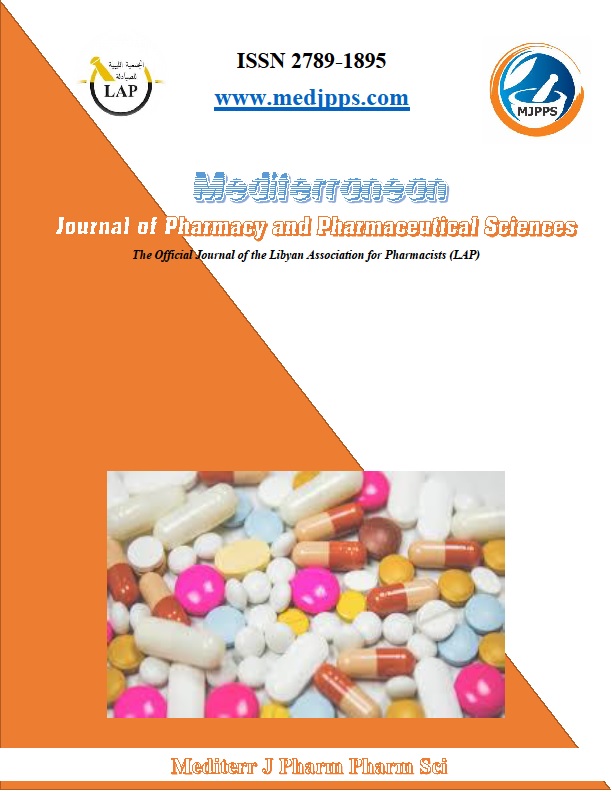 Mediterranean journal of pharmacy and pharmaceutical sciences
Surah mulk
In the name of Allah, Most Gracious, Most Merciful. Blessed be He in Whose hands is Dominion; and He over all things hath Power;- He Who created Death and Life, that He may try which of you is best in deed: and He is the Exalted in Might, Oft-Forgiving;- He Who created the seven heavens one above another: No want of proportion wilt thou see in the Creation of (Allah) Most Gracious. So turn thy vision again: seest thou any flaw? Again turn thy vision a second time: (thy) vision will come back to thee dull and discomfited, in a state worn out. And we have, (from of old), adorned the lowest heaven with Lamps, and We have made such (Lamps) (as) missiles to drive away the Evil Ones, and have prepared for them the Penalty of the Blazing Fire. For those who reject their Lord (and Cherisher) is the Penalty of Hell: and evil is (such), Destination. When they are cast therein, they will hear the (terrible) drawing in of its breath even as it blazes forth, Almost bursting with fury: Every time a Group is cast therein, its Keepers will ask, “Did no Warner come to you?” They will say: “Yes indeed; a Warner did come to us, but we rejected him and said, ´Allah never sent down any (Message): ye are nothing but an egregious delusion!´” They will further say: “Had we but listened or used our intelligence, we should not (now) be among the Companions of the Blazing Fire!” They will then confess their sins: but far will be (Forgiveness) from the Companions of the Blazing Fire! As for those who fear their Lord unseen, for them is Forgiveness and a great Reward. And whether ye hide your word or publish it, He certainly has (full) knowledge, of the secrets of (all) hearts. Should He not know,- He that created? and He is the One that understands the finest mysteries (and) is well-acquainted (with them). It is He Who has made the earth manageable for you, so traverse ye through its tracts and enjoy of the Sustenance which He furnishes: but unto Him is the Resurrection. Do ye feel secure that He Who is in heaven will not cause you to be swallowed up by the earth when it shakes (as in an earthquake)? Or do ye feel secure that He Who is in Heaven will not send against you a violent tornado (with showers of stones), so that ye shall know how (terrible) was My warning? But indeed men before them rejected (My warning): then how (terrible) was My rejection (of them)? Do they not observe the birds above them, spreading their wings and folding them in? None can uphold them except (Allah) Most Gracious: Truly (Allah) Most Gracious: Truly it is He that watches over all things. Nay, who is there that can help you, (even as) an army, besides (Allah) Most Merciful? In nothing but delusion are the Unbelievers. Or who is there that can provide you with Sustenance if He were to withhold His provision? Nay, they obstinately persist in insolent impiety and flight (from the Truth). Is then one who walks headlong, with his face grovelling, better guided,- or one who walks evenly on a Straight Way? Say: “It is He Who has created you (and made you grow), and made for you the faculties of hearing, seeing, feeling and understanding: little thanks it is ye give. Say: “It is He Who has multiplied you through the earth, and to Him shall ye be gathered together.” They ask: When will this promise be (fulfilled)? – If ye are telling the truth. Say: “As to the knowledge of the time, it is with Allah alone: I am (sent) only to warn plainly in public.” At length, when they see it close at hand, grieved will be the faces of the Unbelievers, and it will be said (to them): “This is (the promise fulfilled), which ye were calling for!” Say: “See ye?- If Allah were to destroy me, and those with me, or if He bestows His Mercy on us,- yet who can deliver the Unbelievers from a grievous Penalty?” Say: “He is (Allah) Most Gracious: We have believed in Him, and on Him have we put our trust: So, soon will ye know which (of us) it is that is in manifest error.” Say: See ye?- If your stream be some morning lost (in the underground earth), who then can supply you with clear-flowing water?
 Kamal singh
Synthesis, characterization and dielectric properties of k1-xnaxnbo3
The samples of K1-xNaxNbO3 (X=0.4, 0.2, 0) ceramics (PSN) have been prepared by the conventional solid state reaction method and sintering process. The prepared samples have been characterized by XRD. All the prepared samples show orthorhombic structure at room temperature. Dielectric and Electrical properties of PSN system have been investigated in the temperature range 450C-2450C, and at 1MHz frequency. It is observed that dielectric constant, loss tangent and electrical conductivity increases with increasing temperature. Near the transition temperature dielectric constant, loss tangent and electrical conductivity of these samples show anomalous behaviour with temperature.
Most Popular Category
- Pharmacy (270)
- Education and social science (224)
- Pharmacology (223)
- Pharmacognosy (178)
- Business management (147)
- Pharmacology and toxicology (134)
- Education and training (131)
- Pharmaceutical sciences (130)
- Medicine (129)
- Research (123)
- Health Science (100)
- Biological Sciences (99)
- Management (98)
- Computer Science (94)
- Public health (91)
- Computer Science Applications (87)
- Human resource management (83)
- Engineering (80)
- Accounting and finance (73)
- Information technology (69)