Role of technology in shaping the higher education in future
In recent years, the educational landscape has changed drastically with increased connectivity and technology that promotes outside-the-box thinking and innovation. Classrooms at all levels are evolving to meet this "new normal" through virtual lessons, smart technology in schools and online access for students and parents an individual possession of knowledge, skills and experience through education certainly transforms the nature’s endowed resources as marketable products/services with ‘economic value’ is termed as human capital and knowledge economy. Enhance and enrich of human capital fillips nation’s sound and health economy is the rationale of education. Education thrives to (a) educate, enlighten and encourage teaching, (b) input of understanding and (c) spirit and urge true facts. Education policy needs a clear-cut and transparency to lead in commercialisation and determination of values and proactive to the market logic. The great challenges accompany have been thoroughly exposed in recent periods through Covid-19 crisis. Interaction and integration with the economy of the rest of Worlds Counties, has now become a new emerging facet to bring out a unifying roof of the whole-teaching contents and methodology to attain the socio-economic development. To become a world-class academic institute heavily depends upon the committed faculty, quality infrastructures, supportive administration, and learning environment. Last but not least is the hardworking and brilliance or vividness is the foremost factor of promising among the young students. The corporate philanthropy to higher education is the call of the day to ensure trueness of education system for urging the prime goal of socio-economic development. This study focuses on the emerging trends in Indian higher education.
 Dr gedam kamalakar
Energy-reduced bio-inspired 1d-cnn for audio emotion recognition
This paper proposes EPyNet, a deep learning architecture designed for energy reduced audio emotion recognition.In the domain of audio based emotion recognition, where discerning emotional cues from audio input is crucial, the integration of artificial intelligence techniques has sparked a transformative shift in accuracy and performance.Deep learning , renowned for its ability to decipher intricate patterns, spearheads this evolution. However, the energy efficiency of deep learning models, particularly in resource-constrained environments, remains a pressing concern. Convolutional operations serve as the cornerstone of deep learning systems. However, their extensive computational demands leading to energy-inefficient computations render them as not ideal for deployment in scenarios with limited resources. Addressing these challenges, researchers came up with one-dimensional convolutional neural network (1D CNN) array convolutions, offering an alternative to traditional two-dimensional CNNs, with reduced resource requirements. However , this array-based operation reduced the resource requirement, but the energy-consumption impact was not studied. To bridge this gap, we introduce EPyNet, a deep learning architecture crafted for energy efficiency with a particular emphasis on neuron reduction. Focusing on the task of audio emotion recognition, We evaluate EPyNet on five public audio corpora-RAVDESS, TESS, EMO DB, CREMA D, and SAVEE.We propose three versions of EPyNet, a lightweight neural network designed for efficient emotion recognition, each optimized for different trade-offs between accuracy and energy efficiency. Experimental results demonstrated that the 0.06M EPyNet reduced energy consumed by 76.5% while improving accuracy by 5% on RAVDESS, 25% on TESS, and 9.75% on SAVEE. The 0.2M and 0.9M models reduced energy consumed by 64.9% and 70.3%, respectively. Additionally, we compared our Proposed 0.06M system with the MobileNet models on the CIFAR-10 dataset and achieved significant improvements. The 1035 proposed system reduces energy by 86.2% and memory by 95.7% compared to MobileNet, with a slightly lower accuracy of 0.8%. Compared to MobileNetV2, it improves accuracy by 99.2% and reduces memory by 93.8%. When compared to MobileNetV3, it achieves 57.2% energy reduction, 85.1% memory reduction, and a 24.9% accuracy improvement. We further test the scalability and robustness of the proposed solution on different data dimensions and frameworks.
 Jiby mariya jose
Adenoid facies and its management: an orthodontic perspective
Adenoid Facies and its Management: An Orthodontic Perspective Adenoid facies is a disorder which refers to the open-mouthed face of children who have long faces with adenoid hypertrophy. Hypertrophy of the lymphoid tissues in the throat (the adenoids) is the most common cause of nasal obstruction in children. The mouth is always open because upper airway congestion/narrowing has made patients obligatory mouth breathers. Persistent mouth breathing is seen due to nasal obstruction in children and it may be associated with the development of craniofacial anomalies such as the adenoid facies (also called the “long face syndrome”). The most common symptoms are habitual mouth breathing and snoring. The most dangerous symptom is sleep apnea due to obstruction. This article discusses the orthodontic aspects of diagnosis and treatment of adenoid facies.
 Kamal singh
Evaluation and comparison of clinical efficacy of ambu auragain with i-gel, in patients undergoing laparoscopic cholecystectomy
Background and Aim: Second and third-generation supraglottic airway devices (SADs) are increasingly used in laparoscopic surgeries due to their improved oropharyngeal seal and gastric drainage. This study evaluated and compared the clinical efficacy of the Ambu AuraGain (AAU) and the i-gel in patients undergoing laparoscopic cholecystectomy. Materials and Methods: In this prospective, randomized comparative study, 80 adult patients (ASA I and II) were randomly assigned to two groups (n=40 each): Group A (Ambu AuraGain) and Group G (i-gel). The primary objective was to compare oropharyngeal leak pressure (OLP). Secondary objectives included insertion time, ease of insertion, success rate, fiberoptic view of the glottis, and postoperative complications. OLP and peak airway pressure (PAP) were measured at various intervals, including during carboperitoneum. Results: The mean OLP was significantly higher in Group A than in Group G, both after insertion (32.9 ± 3.45 vs. 26.53 ± 1.61 cm H2O; p<0.001) and after deflation of carboperitoneum (34.15 ±2.9 vs. 28.2 ±1.71 cm H2O; p<0.001). The margin of safety (OLP–PAP) was significantly higher in the AAU group at all times (p<0.001). However, the i-gel was significantly faster to insert (14.8 ±2.94 vs. 22 ± 3.74 seconds; p<0.001) and easier to place (100% easy vs. 37.5% easy; p<0.001). Fiberoptic alignment was significantly better in the i-gel group, with 70% achieving a Grade 4 view compared to 29% in the AAU group (p<0.001). Postoperative complications were low and comparable between groups. Conclusion: Ambu AuraGain provides a superior oropharyngeal seal and a higher safety margin against leaks during laparoscopic surgery compared to i-gel. Conversely, i-gel is superior in terms of ease of insertion, speed, and anatomical alignment with the glottis, making it a better conduit for fiberoptic-guided intubation. Keywords: Ambu AuraGain, i-gel, Laparoscopic cholecystectomy, Oropharyngeal leak pressure, Supraglottic Airway device.
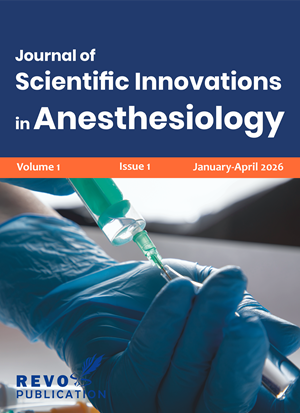 Journal of scientific innovations in anesthesiology
A descriptive study on prescribing pattern of drugs and colon diseases at benghazi medical center in libya
Colon is part of the digestive system in the human body responsible for absorbing water and nutrients from food residues. There are many problems affecting the colon including irritable bowel syndrome, constipation, hemorrhoids, anal fissures, abscess, colitis and colon cancer which considered one of the most common diseases among the Libyan community. The aim of this study was to search the presence of colonic disease and the tendency of those diseases to transform into colonic cancer at Benghazi medical center in Benghazi-Libya. A survey was comprised of 15 questions concerning colon diseases, proper diagnosis and treatment type. The survey was distributed to the physician specialized in medicine at Benghazi medical center and they fill it voluntary. The initial part of the questionnaire designed to obtain demographic data concerning the physicians who diagnose the colon illness. The rest part of the questionnaire was concerning special questions to define frequency of the diagnosed disease. There were 20 participants at this study. The response to all questionnaires were collected and analyzed for drug use, patients and disease distribution. In conclusion, this study demonstrates that the correct diagnosis, prescribing the appropriate treatment for the colon disease and using the medicine properly is one of the most important things that help in treating the disease and reducing its exacerbation. In some cases, eradication procedures may be required if the medicine is not sufficient to treat the disease without the need for operations
 Mediterranean journal of pharmacy and pharmaceutical sciences
Screening and molecular characterization of salt tolerant bio-control bacterial isolates from casuarina equisetifolia rhizosphere soil.
cASUARINA EQUSITIFOLA IS A FAST GROWING EVERGREEN TREE GROWN BY FARMERS UNDER AGROFORESTRY SYSTEMS IN tAMILNADU state of Southern India
 Dr. saranya devi k
Content analysis of visual representations in biology textbooks across selected educational boards from asia
The aim of the present study was to explore the nature of visual representations in biology textbooks across five educational boards across Asia through quantitative and qualitative content analysis. Descriptive statistics was used during the quantitative analysis. Qualitative content analysis involved a deductive approach where visuals in these textbooks were examined and categorized into different categories based on a newly developed typology and taxonomy of visual representation (coding scheme). Under this newly developed typology and taxonomy (coding scheme), visuals in biology textbooks can be categorized into 19 different categories. The findings of the study summarized the characteristics of visual representation usage in these textbooks in terms of their prevalence, distributional differences and trends. Through this study, a new perspective on the taxonomy and classification of visual representations, especially for biology textbooks, has been proposed. Biology teachers and textbook authors can gain insights through the findings of the study. Subjects: General Science; Biology; Secondary Education
 Dr t premalatha
Potential antibacterial activity of ethanolic fig and olive leaves extract against enterococcus faecalis
There has been an increasing awareness about the importance of herbal plants in therapeutic uses which are safe, efficient and induce little side effects This study was based on the evaluation of antibacterial activity of ethanolic extracts of the leaves of Oleaeuropaea (Olive tree) and Ficuscarica (Fig tree), alone and in combination, against enterococcus faecalis (E. faecalis) strain using well diffusion method and minimum inhibitory concentration. The results revealed that the Oleaeuropaea leave extract is more potent than the Ficuscarica leave extract against E. faecalis, as the zone of inhibition was 23 mm and 3 mm, respectively. By mixing both extracts, the results showed a slight synergistic effect, as the zones of inhibition were 20 mm, 24 mm, 24 mm and 25 mm for 1:1, 1:3, 1:6 and 1:9 ratios of the Oleaeuropaea leave and the Ficuscarica leave extracts, respectively. The minimum inhibitory concentration for E. faecalis growth was 200 mg/ml for the Oleaeuropaea leave alone, Ficuscarica and mixed with Ficuscarica. The present findings conclude a potent antibacterial activity of the olive and fig leave, and, their potential as a source of drug in the treatment of E. faecalis infections is suggested.
Mediterranean journal of pharmacy and pharmaceutical sciences
Antiemetic activity of tithonia diversifolia (hemsl.) a. gray leaves in copper sulfate induced chick emesis model
The current study was designed to explore the antiemetic effect of the methanolic extract of Tithonia diversifolia (Hemsl.) A. Gray., leaves using chick emesis model to validate their folk use in G.I. disorders. Emesis was induced by the oral administration of copper sulfate 50mg/kg body weight to male chicks of four days of age. The antiemetic activity was determined by calculating the mean decrease in the number of retching compared to the control. Tithonia diversifolia leaves extract (150 mg/kg orally) showed a significant (p <0.05) antiemetic effect and was compared with the reference drug chlorpromazine.
 Dr. salman ahmed
Molecular changes in invasive front of oral cancer
Treatment planning for oral squamous cell carcinoma (OSCC) is based on the clinical TNM (Tumor, Node and Metastasis) classification. This system operates on the assumption that small tumours without clinical spread have a better prognosis than larger tumours with metastases. However, it is a well-known fact that some tumours with the same clinical staging show different growth patterns and clinical behaviour. This makes the prognosis for patients with OSCC difficult to predict on the basis of clinical staging alone. Although many histopathological characteristics of OSCC have been identified as prognostic factors, none is believed to be completely infallible. Therefore, a great need exists for more reliable prognostic markers, which will assist in treatment decisions. It is now well documented that several molecular events of significance for tumour spread, such as gain and loss of adhesion molecules, secretion of proteolytic enzymes, increased cell proliferation and initiation of angiogenesis occur at the tumour–host interface or invasive front, where the deepest and presumably most aggressive cells reside. This review describes the various molecular events and interactions, which take place in the invasive front of the OSCC, and elucidates their role as prognostic markers.
 Mohit sharma
Evaluation of passive islanding detection methods for line to ground unsymmetrical fault in three phase microgrid systems
Distributed Generators (DGs) are incorporated in the power distribution systems to develop green energies in microgrids. Islanding is a challenging task in a microgrid. Different types of islanding methods, e.g. local and remote methods, have been developed for handling this task, with local methods being easier to implement, while remote methods are communication-based and costly. The local methods are classified as passive, active, and hybrid, out of which the passive methods are more simple and economical. In this paper, a passive islanding detection method is proposed to detect single line to ground fault. This fault is considered to represent the 60 to 70% of the total un-intentional faults of this category. The available passive methods cannot detect islanding at lower power mismatches as the variations in voltage and frequency fall within thresholding values. In this method, the voltage signals are first retrieved at the targeted DG output and then the phase angle is estimated. Finally, the phase angle is differentiated to get Rate Of Change Of Voltage Phase Angle (ROCOVPA) to detect islanding, and then it is compared with the Rate Of Change Of Frequency (ROCOF) at zero percent power mismatch. Simulation results depict that the ROCOVPA is more effective than ROCOF. The proposed method not only reduces detection time and NonDetection Zone (NDZ) but is also stable during non-islanding cases like load connection and disconnection to avoid nuisance tripping.
The silent scream of skin cells: a brief review of slow electrical signaling in the epithelium
Epithelial cells, lining the skin and internal organs, play a crucial role as protective barriers and regulators of substance transport. Traditionally, these cells were not considered to employ electrical signaling for communication. However, recent investigations have unveiled that epithelial cells generate slow electrical signals, termed the "silent scream," in response to injury, thus challenging conventional views of intercellular communication. A recent experimental investigation provided compelling evidence for this phenomenon, demonstrating the ability of these cells to transmit electrical signals over considerable distances within the epithelium. The research utilized microelectrode array chips to precisely detect subtle electrical events in keratinocytes and Madin-Darby Canine Kidney (MDCK) cells, revealing spiking activity characterized by slow propagation speeds, distinct from the rapid action potentials of neurons. The mechanisms underlying this novel signaling are explored, focusing on the involvement of mechanosensitive ion channels, calcium signaling, and Adenosine triphosphate (ATP) release. Calcium ions, well-established intracellular messengers, appear to play a central role in this biological phenomenon. Integrating this newly discovered communication mode into the existing understanding of skin cell biology reveals a more intricate picture of how skin senses and responds to its environment. The implications of this finding extend to various facets of skin physiology and pathology, including wound healing, inflammation, and skin aging. In wound healing, where endogenous electric fields guide cell migration and promote repair, this unique type of electrical signaling potentially plays a crucial part. Furthermore, aberrant electrical signaling might contribute to chronic inflammatory conditions, and age-related changes in this signaling could underlie the functional decline observed in aged skin. The potential for other environmental stressors to trigger the epithelial-generated electric signals also warrants investigation. The exploration concludes by discussing potential technological applications, such as bioelectric sensors and enhanced wound healing therapies, and future research directions aimed at further elucidating the molecular mechanisms and functional roles of this non-excitable cell electrophysiology.
 Karishma
Picky eating behavior and incidence of malnutrition among children aged 2-5 years in blora, indonesia: a case-control study
Background: Malnutrition is a deficiency of nutrients due to inadequate energy intake. Picky eating behavior in children could be a cause of malnutrition, but previous studies’ results were still inconsistent. This study aimed to determine the relationship between picky eating behavior and malnutrition among children aged 2-5 years. Methods: This case-control study involved 70 children aged 2-5 years in Kutukan Village, Randublatung District, Blora Regency. Malnutrition was defined as a weight-for-age Z score <-2.0 SD based on the WHO classification. Child eating behavior was evaluated using the Child’s Eating Behavior Questionnaire (CEBQ), identifying picky eaters if the food avoidance score surpassed the food approach score. Data analysis employed the Chi-Square test. Results: Boys experienced more malnutrition, with 20 (57.1%) affected, and the most affected age group was 24-35 months, with 19 (54.3%). Questionnaire processing revealed that the number of picky-eater children in the malnutrition group was 33 (94.3%), while in the non-malnutrition group, there were 31 (88.6%). Bivariate analysis showed no relationship between picky eating behavior and malnutrition in children aged 2-5 years (p=0.673; CI 95%=0.364-12.459).Conclusion: This study found no significant relationship between picky eating and malnutrition in children aged 2-5 years.
The effect of supply chain management and competitive advantage on company performance at pt ahlindo perkasa alam
Supply chain management, especially in manufacturing companies, is very important as the companies rely on the raw materials needed for production. Moreover, the success of a company is also determined by how it could gain competitive advantage to compete in the industry. It is proven that a company with effective supply chain management and competitive advantage would perform better. The purpose of this research is to see the effect of supply chain management and competitive advantage on company performance conducted at PT Ahlindo Perkasa Alam. This research uses quantitative method with Census sampling of 32 employees working in the company. The test results show that Supply Chain Management and Competitive Advantage have a positive significant effect on Company Performance at PT Ahlindo Perkasa Alam as much as 76.1%.
 L
L
Factors affecting the ecological status of industrialized cities and measures to monitor them
The development of science and technology proves once again how infinite human needs are. The concentration of the population in large cities, on the one hand, accelerates the process of urbanization and affects the level of development of the state. On the other hand, the state of the environment has a negative impact on urban ecology. From ancient times the population has been striving to create favourable conditions for themselves and such a process is still going on, especially when the negative consequences of this are clearly felt in the health of the population living in cities. Solving this problem is one of the main tasks of urboecology. The development of modern methods of geo-ecological monitoring of the ecological condition of cities, especially in areas with high industrial specialization. The development of measures to improve the health of the population in ecologically critical areas is of a great importance today. To this end, this article discusses in detail the industrialized Navoi region and its urban and ecological situation, the factors affecting it.
Mediterranean journal of pharmacy and pharmaceutical sciences
Impact of frontline demonstrations on chickpea (cicer arietinum) production, productivity and profitability in transitional plain of inland drainage zone of rajasthan
Pulses are well known richest source of vegetable protein and poor man’s food because of its essential component of diet. The frontline demonstrations of chickpea crop was carried out by Krishi Vigyan Kendra, Nagaur-I, Agriculture University, Jodhpur during rabi seasons from 2011-12 to 2019-20 on 178.5 ha area with 382 demonstrations in different clusters of Nagaur district of Rajasthan. The results shows that demonstrations produced on an average 18.02 q/ha grain yield of chickpea, which was 24.18 per cent higher as compared to prevailing farmers practice (14.51 q/ha). The front line demonstrations fetched more average gross returns (Rs.60161/ha), net return (Rs. 37963/ha) and B:C ratio (2.76) with slightly higher investment on cost of cultivation (Rs.1663/ha) as compared to farmers practice. The increase in gross and net returns was in the tune of Rs.11960 and Rs. 10285 per hectare with incremental benefit: cost ratio of 0.33. The average extension gap, technology gap and technology index was 350kg/ha, 608 kg/ha and 25.2 per cent, respectively. It is also observed that majority of the respondent farmers expressed high (51.83%) to the medium (32.72%) level of satisfaction regarding the performance of chickpea under demonstrations
 Dr. babu lal jat
Awareness and knowledge about refractive errors and strabismus in south indian population
Background: To assess the awareness, knowledge about refractive errors and strabismus among the general public in southern Indian states of Andhra Pradesh and Telangana. Methods: A cross sectional population-based survey used a semi structured questionnaire on awareness, knowledge on refractive errors and strabismus done as part of knowledge, attitude and practices study (KAP). Stratified multistage cluster random sampling method was used with a sample size of 867 adults- ≥16 years. Having heard of refractive error and strabismus was defined as awareness and having knowledge of the type of error for which spectacles were worn, was considered as knowledge. A pilot study was conducted to validate the questions used in the main study. Statistical package SPSS (version 19) was used for analysis to calculate logistic regression and odds ratios for gender, age, education and urban-rural areas. Results: A total of 782/867 (90.1%) subjects participated in the survey with females 47.4%. 581 subjects (74.3%) were aware of refractive error. 690 subjects (88.2%) were aware of squint. With multiple logistic regression about awareness of refractive error to various variables, subjects who were educated 11th class to degree had a higher awareness (OR: 2.40; CI: 1.25-4.60). With multiple logistic regression about awareness of squint to various variables, females had a higher awareness of squint (OR: 1.98; CI: 1.19-3.31). Conclusions: Awareness of squint and refractive error was high among the general public, but the knowledge of it was limited.
 Srinivasa reddy pallerla
Long-standing iron deficiency anemia could be a presentation of non-classical celiac disease: a case report and literature review
Celiac disease (CeD) is a complex disorder characterized by gastrointestinal (GI) symptoms as well as extraintestinal manifestations, sometimes difficult to diagnose. Commonly referred to as a childhood disease, adult CeD is a well-known entity that should be included in the differential diagnosis of chronic diarrhea or malabsorption syndrome. The pathogenesis involves a genetically mediated autoimmune pathway. In individuals with genetic susceptibility, the mucosa of the small intestine is damaged in response to foods containing gluten. The clinical presentation is variable and ranges from typical GI symptoms to extra-intestinal and systemic manifestations. Clinical improvement and restoration of the intestinal mucosa occur simply by eliminating gluten from the diet. We reported a case of CeD in a young man after 6 years of iron deficiency anemia (IDA), without asserting a clear etiology during this time. In our country, the search for CeD in patients with IDA is usually forgotten and we hereby put it in the spotlight.
Training &development initiative for entrepreneurship promotion by tgb -resti : an analysis from state level bankers committee database
Rural Self Employment Training Institutes (RSETIs) functions as a structural framework for skill development & entrepreneurship development training laid down by Ministry of Rural Development, Government of India in the year 2009. The concept of RSETI is bagged from the RUDSETIs (Rural Development & Self Employment Training Institutes), the brain child of Dr. D. Veerendra Heggade. RSETIs have 65 approved courses as per National Skill Qualification Framework (NSQF) under which they offer different types of Entrepreneurship Development Programme (EDP). All the programmes are short term residential training with 2 (two) years hand holding support. State Level Bankers Committee data revealed that through the RSETI training, huge number of unemployed youths started their own enterprise with or without bank finance and also getting the scopes of Self-employment. This particular study took a humble effort to publicize the role of TGB-RSETI in Tripura in respect to unemployment reduction through entrepreneurship development. The entire study is based on secondary data (2009-10 to 2022-23) retrieved from SBLC, Tripura website data.
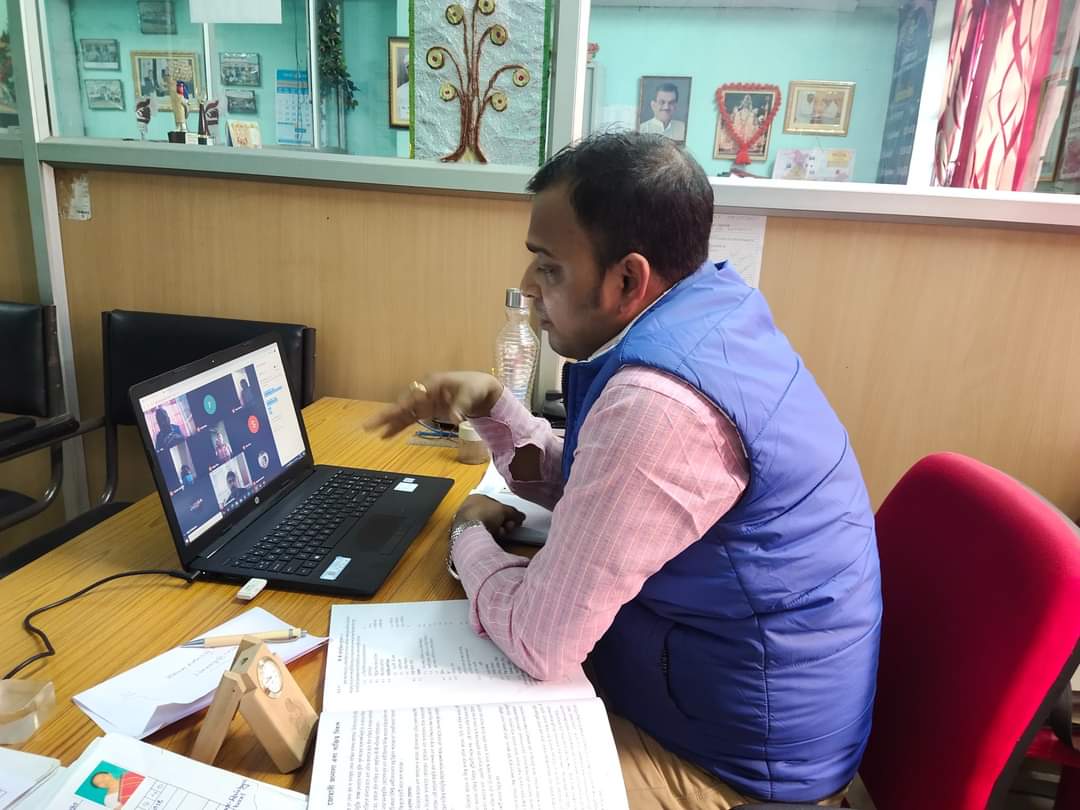 Md. abdur rahman choudhury
Two-stage rfid approach for localizing objects in smart homes based on gradient boosted decision trees with under- and over-sampling
eveloping automated systems with a reasonable cost for long-term care for elders is a promising research direction. Such smart systems are based on realizing activities of daily living (ADLs) to enable aging in place while preserving the quality of life of all inhabitants in smart homes. One of the research directions is based on localizing items used by elders to monitor their activities with fine-grained details of the progress. In this paper, we shed the light on this issue by presenting an approach for localizing items in smart homes. The presented method is based on applying machine learning algorithms to Radio Frequency IDentification (RFID) tags readings. Our approach achieves the required task through two stages. The first stage detects in which room the selected object is located. Then, the second one determines the exact position of the selected object inside the detected room. Additionally, we present an efficient approach based on gradient boosted decision trees for detecting the location of the selected object in a real-world smart home. Moreover, we employ some techniques of over- and under- sampling with data clustering for improving the performance of the presented techniques. Many experiments are conducted in this work to evaluate the performance of the presented approach for localizing objects in a real smart home. The results of the experiments have shown that our approach provides remarkable performance.
 Shadi abudalfa
Most Popular Category
- Pharmacy (270)
- Education and social science (224)
- Pharmacology (223)
- Pharmacognosy (178)
- Business management (147)
- Pharmacology and toxicology (134)
- Education and training (131)
- Pharmaceutical sciences (130)
- Medicine (129)
- Research (123)
- Health Science (100)
- Biological Sciences (99)
- Management (98)
- Computer Science (94)
- Public health (91)
- Computer Science Applications (87)
- Human resource management (83)
- Engineering (80)
- Accounting and finance (73)
- Information technology (69)