Surviving trisomy 18: a case report of a 5-year-old girl
Rationale: Trisomy 18, often known as Edwards syndrome. It is a common chromosomal disorder characterized by the presence of an extra chromosome 18. Unfortunately, survival past the first year is quite rare, and there are only a few reports of individuals living long-term without needing corrective surgery. This case sheds light on an unusual situation where a patient survived for an extended period despite having severe congenital heart defects. Patient concerns: A 5-year-old girl, already diagnosed with trisomy 18, was admitted to the hospital after experiencing a cough and diarrhea that started after she began taking a nutritional powder supplement. The patient had a history of admission to neonatal intensive care for 1 month due to transient tachypnea of the newborn, mild retractions, and grunting. Additionally, she had intrauterine growth restrictions, dysmorphic features, and hypotonia. Diagnoses: Clinical examination revealed dysmorphic features, hypoxia, and a cardiac murmur. Chest radiography reveals central infiltration with cardiothoracic ratio 60%. Genetic testing confirmed the presence of trisomy 18, and an echocardiogram showed multiple congenital defects with significant right ventricular hypertrophy. Interventions: Initial management began with administering oxygen, performing metabolic tests, and a chest x-ray. However, because of ongoing low oxygen levels linked to her heart defects and pulmonary hypertension, long-term home oxygen therapy was initiated. A comprehensive supportive care with multidisciplinary team support was the main management. Outcomes: Throughout her treatment, oxygen saturation did not exceed 85%, and the patient’s development has remained severely delayed, with no significant motor or cognitive milestones. The patient had a long life expectancy for her complex heart defects, but eventually died of cardiac arrest. Lessons: This case shows the possibility of prolonged survival in trisomy 18, even with severe congenital heart defects, emphasizing the importance of multidisciplinary management and family-centered counseling. Documenting such cases expands understanding of this syndrome and guides long-term care strategies.
 Mohamad banat
Non-invasive cardiac output monitoring in brain trauma–induced takotsubo: a case report
To report a case of neurogenic stress cardiomyopathy post-trauma, managed using Non-Invasive Cardiac Output Monitor (NICOM)-guided conservative therapy. A middle-aged patient with traumatic subdural and subarachnoid hemorrhages developed hemodynamic instability. ECG showed QT prolongation; echocardiography revealed apical ballooning. We used NICOM which indicated low cardiac output (3.5 L/min). Fluids and inotropes were adjusted based on NICOM trends. The patient showed gradual hemodynamic and cardiac recovery. NICOM guided safe de-escalation of inotropes. Echocardiography normalized, and the patient was discharged. NICOM can be used for precise, non-invasive hemodynamic monitoring, aiding recovery in stress cardiomyopathy. Keywords: Traumatic brain injury, Takotsubo cardiomyopathy, Stress cardiomyopathy, Non-invasive cardiac output monitoring, Hemodynamic instability, Apical ballooning, Neurocritical care.
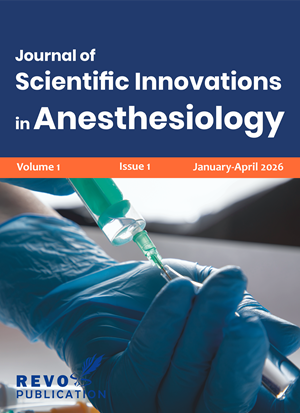 Journal of scientific innovations in anesthesiology
Technology and isolation in the information period
Technology and Isolation in the Information Period explores the social, political, and legal implications of the group and use of personal information in computer databases. In the Information Period, our lives are documented in digital case books maintained by hundreds (perhaps thousands) of businesses and government agencies. These case books are composed of bits of our personal information, which when assembled together begin to paint a portrait of our personalities. Technology has changed our working practices and now allows us to be connected 24/7. We have the power to Skype clients around the world and email or Tweet work colleagues at weekends, but is there a danger that having connectivity so readily available hinders our efforts to gain a better work/life balance? We often read articles about the correct way to manage technology and how to achieve a happy balance of relaxing away from work and being ‘Always On’ and ‘Always available’. For instance, many people choose a job that allows them to detach from the workplace on evenings and weekends, yet technology makes it difficult for others to switch off. Now, we are huge believers in the ability to use the internet, email, Facebook, Twitter, texting and to pick up the phone and talk to people, but because of technology more people are becoming distracted and losing focus. They can’t escape from the workplace and feel that the office follows them around via their Smartphone which demands attention 24/7. It wasn’t so long ago that when we took a holiday, we would plan ahead, make sure everything was order, inform clients of our absence and brief our teams so we could disappear off to distant shores and happily sit in the sun for a relaxing fortnight, avoiding drinking the local water, eating strange local delicacies and fending of mosquitoes. But I digress … Having technology at hand means that we still have an element of control at our workplace and the ability to deal with issues if they occur. The downside to this is managing that work/life balance again. On one hand the internet is a lifeline, but it can also become a ball and chain if we don’t take the time to unplug from it. Technology allows us to be in two places at once, but when employees struggle to find the right balance between their work and personal lives there is a chance that stress levels can increase leading to a potential loss of productivity and happiness in general. In a recent survey 70% of workers said that technology brings the stress of work into their personal lives. Many Researchers have recommended drawing a line between work communications and home. This not only benefits your well being, but benefits your employer too, as you will be coming back to work refreshed and recharged.
 Sunita singh
A comparative study of nurses' knowledge and attitude towards impact of oral cancer on oral hygiene and nutritional status of patients with oral cancer in selected general and cancer hospital at mysore and bangalore with a view to develop self-instru
Background: Cancer is burden for almost all societies in the world. It is estimated that approximately 20 million persons are suffering with cancer and every year 10 million die due to cancer. Methods: A descriptive and comparative survey from January 2024 to June 2024 with a quantitative research approach was used. The non-probability convenient sampling technique was used, and 60 nurses (30 each from Cancer Hospital; and General Hospital) had given consent for participation in the study. The tools used for data collection were personal profile, structured knowledge questionnaire, modified Likert-type attitude scale, and opinionnaire for utility of SIM. Results: The study found that 83.35% of General Hospital and Cancer Hospital nurses had strong knowledge, while 10% and 6.66% had low knowledge. All nurses from both institutions have mildly positive to extremely positive thoughts about how oral cancer affects oral hygiene and nutrition. Mean knowledge scores of nurses from General and Cancer hospitals were 14.73 and 16.33, and mean attitude scores were 149.80 and 150.20. Cancer hospital nurses' expertise and attitude correlated significantly. The results show that 86.67% of nurses believe SIM is a valuable source of information and content to assist them better manage oral cancer patients' oral hygiene and nutrition. Conclusions: The study found that cancer hospital nurses had a higher mean knowledge score than general hospital nurses. Thus, knowledge and attitude are linked, and nurses with higher knowledge have a more positive attitude.
 Dr k c yadav
Managing risk in business - abacus ltd employee
In this report, Abacus Ltd employee will offer his client guidelines, another organisation trying to comprehend risk management. Abacus gives a scope of business consultancy administrations to their clients which assist them with developing their business. Abacus's new client wants all individuals from the senior group to comprehend risk management in business and the various kinds of danger (Aven and Renn, 2010).
 Zamzam abdelazim
Survey on advanced data communication
Brilliant Grid is intended to incorporate progressed correspondence/organizing innovations into electrical power frameworks to make them ''more intelligent''. The current circumstance is that a large portion of the power outages and voltage lists could be forestalled in the event that we have better and quicker specialized gadgets and advancements for the electrical matrix. To make the flow electrical force lattice a Smart Grid, the plan and execution of another correspondence framework for the lattice are two significant fields of examination. Be that as it may, Brilliant Grid projects have just been proposed as of late and a couple of recommendations for forward-looking necessities and starting exploration work have been offered in this field. No efficient audits of correspondence/organizing in Smart Grids have been led at this point. In this manner, we direct an orderly survey of correspondence/organizing innovations in Smart Grid in this paper, including correspondence/organizing engineering, distinctive correspondence innovations that would be utilized into this design, nature of administration (QoS), upgrading the use of resources, control and the board, and so forth.
 Dr.a.shaji george
Studies on reproductive organs and morpho-anatomical features of leaf and stem in three traits of vinca rosea l.
Periwinkle or Vinca rosea L. has medicinal importance with three phenotypes i.e., Pink, Red eye and White. The present investigation distinguishes the three traits i.e., white, pink and red-eyed flower-bearing traits of V. rosea based on morphology, palynology, pollen grain germination and study of anatomical features of leaf, stem and variations in parts of the flower. The results revealed that significant differences were recorded in stomatal frequency, stomatal index, size of the petals, pollen viability and pollen germination. The highest per cent viability appears in pink flower-bearing plants (98.8%) followed by red-eyed flower-bearing plants (34.3%) and White flower-bearing plants (34%). Similarly, the percentage germination of pollen grains is high in pink flower-bearing plants (98.1%) followed by red-eyed flower-bearing plants (33.3%) and white flower-bearing plants (33.3%).
 Veerabhadraswamy al
Analgesic activity of luffa cylindrica
The analgesic activity Of the crude hexane and ethanol extracts of the leaves and male flowers of Luffa cylindrica (L.) Roem., (sponge gourds) was carried out at dose of 500 mg /kg b.w., (p.o.) in mechanically induced pain in rats by using analgesy-meter. These extracts produced significant analgesic effect results of the present study revealed the analgesic properties of the leaves and male flowers of Luffa cylindrica.
 Dr. salman ahmed
Indian diplomatic decision: addressing israeli settlements in palestinian territories
This paper examines India’s diplomatic stance towards Israeli settlements in the Palestinian territories, focusing on the complexities of the Israeli-Palestinian conflict and India’s historical relations with both sides. The issue of Israeli settlements has been an issue and a obstacle to peace in the region. As a prominent global player and staunch supporter of Palestinian rights, India finds itself in the delicate position of balancing its traditional support for the Palestinian cause with its growing strategic ties with Israel.The article delves into the evolving dynamics of India’s foreign policy and the factors influencing its stance on Israeli settlements. Analyses India’s historical suppor t for Palestinian self-determination and its voting record in international forums not supporting Israeli settlements. It also examines India’s growing economic and defence cooperation with Israel, which complicates its position on the issue of settlements.
 Dr gedam kamalakar
Globally used antiurolithiatic plants of family apiaceae
Urolithiasis has been a common problem for centuries and has a high recurrence. This review covers the forty-two (42) antiurolithiatic plants of the family Apiaceae used in 18 different countries. Hopefully, this review will not only be helpful for the general public but also attract the scientific world for antiurolithiatic drug discovery.
The untethered soul pdf
The seeds for this work were planted many years ago when Linda Bean wastranscribing some of my lectures and encouraged me to write a book. Shepatiently labored through years of archived material until it was time for me tobegin writing. Her commitment and dedication to this project are deeplyappreciated.Once I began writing, Karen Entner assisted me by organizing materials,making content suggestions, and maintaining the manuscript. We workedtogether to edit version after version until the flow of words brought a sense ofpeace to the heart, mind, and soul. Her dedication and heartfelt work are muchappreciated and one of her lifelong dreams comes to fruition with the publicationof this book. “This above all: to thine own self be true, and it must follow,as the night the day, thou canst not then be false to any man.” —William ShakespeareShakespeare’s age-honored words, spoken by Polonius to his son Laertes in ActI of Hamlet, sound so clear and unambiguous. They tell us that to maintainhonest relations with others we must first be true to ourselves. Yet if Laerteswere to be totally honest with himself, he would realize that his father may aswell have told him to catch the wind. After all, to which “self” are we to be true?Is it the one that shows up when we’re in a bad mood, or the one that is presentwhen we feel humbled by our mistakes? Is it the one who speaks from the darkrecesses of the heart when we’re depressed or upset, or the one that appearsduring those fleeting moments when life seems so fanciful and light?From these questions we see that the concept of “self” may turn out to be abit more elusive than initially presumed. Perhaps if Laertes could have turned totraditional psychology, it would have shed some light on the subject. Freud(1927), the father of psychology, divided the psyche into three parts: the id, theego, and the superego. He saw the id as our primal, animal nature; the superegoas the judgment system that society has instilled within us; and the ego as ourrepresentative to the outside world that struggles to maintain a balance betweenthe other two powerful forces. But this certainly would not have helped youngLaertes. After all, to which of these conflicting forces are we to be true?Again we see that things are not always as simple as they seem. If we dare tolook past the surface of the term “self,” questions arise that many people wouldrather not ask: “Are the many aspects of my being all equally part of my ‘self,’or is there only one of me—and if so, which, where, how, and why?”In the following chapters, we will undertake a journey of exploration of“self.” But we will not do so in a traditional manner. We will neither call uponthe experts in psychology, nor upon the great philosophers. We will not argueand choose between time-honored religious views, or resort to statisticallysupported surveys of people’s opinions. We will, instead, turn to a single sourcethat has phenomenal direct knowledge on the subject. We will turn to one expertwho, for every moment of every day of their life, has been collecting the datanecessary to finally put this great inquiry to rest. And that expert is you.
 Kamal singh
Macrotyloma uniflorum (lam.) verdc., phaseolus lunatus linn., and phaseolus vulgaris linn. seeds: nature’s potential candidates against urolithiasis by virtue of multidimensional pharmacology
Urolithiasis arises from disturbances in the urinary tract's physicochemical balance and hydrodynamic system. Medicinal plants have been known for millennia and are highly esteemed worldwide as a rich source of therapeutic agents for the prevention of various ailments. A comprehensive literature search of antiurolithiatic plants reported worldwide revealed the family Fabaceae with the highest number of cited species. The members, Macrotyloma uniflorum (Lam.) Verdc., Phaseolus lunatus Linn. and Phaseolus vulgaris Linn. have been selected and hidden versatile weapons of their seeds against urolithiasis such as analgesic, antioxidants, astringent, diuretic, emollient, high soluble oxalate contents, insoluble fibers, magnesium, potassium, phytic acid, pyridoxine (vitamin B6), have been discussed on a scientific basis to rationalize the folkloric use.
Importance of using basic statistics adequately in clinical research
Justificativa e objetivo: O uso inadequado da estatística básica é o maior responsável peloerro de interpretac ̧ão dos artigos científicos. O objetivo deste artigo de revisão foi rever algunstópicos básicos de estatística para alertar autores e leitores sobre a importância do relatoadequado da estatística básica.
Hepatoprotective activity of glinus lotodies linn against paracetamol induced liver damage in albino rats
Aim: To evaluate the hepatoprotective activity of the chloroform extract of the selected Glinus lotodies linn plant by using Paracetamol induced hepatic injury in albino rats. Methods: The chloroform extract of Glinus lotodies linn was allowed for screening hepatoprotective activity on Paracetamol induced Albino rats and they were compared with standard and negative control. Results: The drug treatment Chloroform Extract of Glinus lotodies linn [CEGL] was carried out at two low dose levels 200mg and 400mg/ kg, both of which along the standard Silymarin 100mg/kg treated group showed a significant reduction in the elevated enzyme levels (P < 0.01). Liver section shows normal cells compared to control. Conclusion: These data suggests a dose dependent hepatoprotective activity of CEGL. At the end of this study, a strong conclusion can be drawn that the Chloroform Extract of Glinus lotoides linn possess hepatoprotective activities induced by Paracetamol in Albino rats.
 Sudha rameshwari.k assistant professor
1. critical study of guggulu kalpana with special reference of bhaishajya ratnavali
Bhaishajya kalpana is an art and science of preparing and dispencing medicine. Guggulu is a Niryasa (oily latex) achieved from small tree called Indian bedellium. Botanical name is commiphora mukul. Guggulu is an amorphous, translucent, solid adhesive, oleo-gum resin is produced by the process of gummosis from its plant. Many other Ayurvedic classics have mentioned various formulations of Guggulu for the treatment of various ailments. Bhashajya ratnawali followed various kalpana use for formuations. Guggulu kalpana is secondary formulations of bhaishajya kalpana. . Guggulu is one among the best binding agents and its used as single or compound drug in the form of pills, Formulations which contains Guggulu as main ingredient, they can be called as Guggulu kalpana. Here in Bhaishajya Ratnawali, Guggulu is used in yoga for both purposes, as a base and as well as medicament also.In bhaishajya Ratnavali Guggulu when modified into different formulations. It can also be used in many diseases along with different combinations of drugs with their anupana, Guggulu kalpana beneficial in treating many diseases. The Guggulu Kalpana is indicated in almost all the strotovikaras and also a number of research works have been proved the wide range of action of Guggulu .
Make in india: how much is the lion’s share in fdi inflow?
The present study focused on analysing the impact of ‘Make in India’ campaign on FDI inflows in country. The research period is divided in two parts one is pre ‘MII’ & another is post ‘MII’ period. The analysis of ‘Make in India’ campaign is done to identify the scope of the campaign & methodology of working of various allied departments monitoring campaign. The present research work also attempted to take overview of various policy reforms initiated by Government of India to promote the FDI as well domestic investment in 25 sectors shortlisted under MII. The FDI inflows statistics reveals that, the post MII period is showing the highest growth in FDI equity inflows as compare to same period i.e. 2009- 2014. The MII initiative is one of the reason for the jump in FDI inflows. The overview of policy reforms shows that GOI through DIPP attempted to open almost all sectors for 100% FDI through automatic route. Government has provided multiple incentives for Foreign Investors to establish their manufacturing facilities in country but very negligible response has been seen in the nature of FDI equity inflows in the same period. Further results of study reveals that multiple ‘MOU’s have been signed by States & Central Governments, but they yet not converted in actual investments. The major reasons behind the same is lack of SWOT analysis through Governments before inviting the foreign investors. As well lack of basic infrastructure, land, lack of skilled manpower, cheap & un interrupted power supply to MIDC’s & SEZ’s is yet not successfully provided, lower rankings in Ease Of Doing Business (EODB), Global Manufacturing Competitiveness Index (GMCI) is also cause of concern & tumbling block in the success of MII mission..
 Anshuman vijay magar
Management of solid healthcare wastes in some government healthcare facilities in enugu state, southeast nigeria: a cross-sectional study
Background: The significance of healthcare wastes (HCWs) consists in their hazardous component, which constitutes real danger to public health. In Nigeria, healthcare waste management (HCWM) has remained a problem yet to be properly recognized and so addressed. The study aimed to sensitise health workers and the public on the need for proper management of HCWs, considering the public health implications of not doing so. Methods: The waste management systems of ten healthcare facilities (HCFs) were assessed, using a modification of the WHO rapid assessment tool. In each HCF, segregated wastes were collected daily for ten days and quantified by weighing, using a spring balance. Results: Administratively, the HCWM system was poor in the ten HCFs (40.6%). 70% of them had satisfactory waste segregation, 81%, good waste treatment, and 26.7% adequate transportation methods for waste. None of the HCFs had budget allocation for HCWM, and 90% had inadequate storage facilities. Mean waste generation was 1.81 kg/day, 0.23 kg/patient/day, 0.16 kg/bed/day, and proportion of infectious wastes 16.8%. Correlation between the number of patients and proportion of infectious waste, was positive, strong and significant (r=0.80, p=0.01), and between bed occupancy rate and proportion of infectious waste, was positive too, but weak, and insignificant (r=0.34, p=0.34). Conclusions: In view of the identified weaknesses of the ten HCFs in HCWM, budget allocations for HCWM, improving waste storage facilities and transportation, with strengthening of waste segregation, collection, and treatment, would help to ensure adequate HCWM in the HCFs.
Enabling authenticity and integrity with information hiding for secure communication in internet of things
Internet of Things (IoT) enhances the global connectivity to all the remote sensing devices. It enables the connectivity of communication and processing the real-time data that has been collected from an enormous number of connected sensing devices. There is an increase in the IoT technology that leads to various malicious attacks. It is more important to overcome the malicious attacks, mainly to stop attackers or intruders from taking all the control of devices. Ensuring the safety and accuracy of the sensing devices is a serious task. It is very much important to enabling the authenticity and integrity to obtain the safety of the devices. Dynamic tree chaining, Geometric star chaining and Onion encryption are the three solutions that has been proposed in this project for in order to enable authenticity and integrity with information hiding for secure communication. The simulation results are driven displays that the proposed system is very stable and much better than other existing solution in means of security, space and time.
 Jebin bose s
Use and impact of information communication technology based library resources and services in the universities of tamil nadu, india: a study
Libraries play a vital role in providing access to information and fostering lifelong learning in communities. With the rapid advancement of Information Communication Technology (ICT), libraries are embracing digital tools and services to enhance their offerings and extend their reach. In today's interconnected world, the utilization of Information Communication Technology (ICT) resources and services has become imperative for various sectors. This study examines the utilization of ICT-based resources and services by libraries, focusing on key technologies such as digital libraries, online databases, electronic resources, and library management systems. It explores how these technologies enable libraries to expand their collections, improve accessibility, and deliver personalized services to users. The present study is an attempt to examine uses of information communication technology based library resources and services at university of Tamil Nadu. In this paper, the majority of the users' use of ICT based resources and services are study purpose. The majority of the respondents that satisfaction of ICT based resources and services have developed academic skills.
Migratory speed and pattern of littorina scabra on mangrove trees sonneratia alba during incoming and outgoing tides in tanjung tiram, ambon bay
Migratory behaviour in Littorina scabra (Linne 1758) was studied in a mangrove ecosystem and observations were made in their natural habitat or in situ observation in Tanjung Tiram, Ambon. Migratory speed and pattern of L. scabra of different sizes (small and large) particularly in mangrove Sonneratia alba were observed throughout of the February 19th to March 11th, 2019 during the day and night on incoming or outgoing tides and these are usually a 3 hours (270 minutes) observation. Marked snails were used to track the position to investigate their migratory direction and speed during advancing and receding tides. Those organisms migrate up and down the trees following the tidal cycles. This study indicates that small size organisms which live on leaves, branches or trunks move faster than the big organisms and they move faster during the incoming tide than outgoing tide. For a big size L. scabra, they move slower during the incoming tide than the outgoing tide. This behaviour indicates that they move faster to avoid immersion during incoming tide than during the outgoing tide when they move slower because they are searching for food. The migration trials showed different patterns for all sizes of L. scabra and this pattern seems to be influenced by the area of surface they occupy such as leaves, branches or trunks. They tend to move forward in one direction (almost straight line) when they are on a small surface such as trunks and on the larger surface such as leaves and braches most L. scabra of all sizes make different trial patterns such zig-zag.
 Irma kesaulya
Most Popular Category
- Pharmacy (270)
- Education and social science (224)
- Pharmacology (223)
- Pharmacognosy (178)
- Business management (147)
- Pharmacology and toxicology (134)
- Education and training (131)
- Pharmaceutical sciences (130)
- Medicine (129)
- Research (123)
- Health Science (100)
- Biological Sciences (99)
- Management (98)
- Computer Science (94)
- Public health (91)
- Computer Science Applications (87)
- Human resource management (83)
- Engineering (80)
- Accounting and finance (73)
- Information technology (69)